Capture true‑to‑stone brilliance for wholesale buyers, e‑commerce and lookbook shoots; practical display, lighting and shooting advice tailored for lab‑grown diamond jewellery factories.
Working as a lab‑grown diamond and fine jewellery manufacturer, your photography and physical display directly shape how distributors, boutique buyers and retail partners judge product quality. Unlike mined diamond stock, lab‑grown stones demand careful handling to show colour grade, clarity, cut precision and consistent sparkle without misleading over‑exposure. Poor visuals will lower perceived value, create post‑order disputes over stone appearance and slow down order conversion, even when your physical pieces meet strict technical specifications. Thoughtful display setups and repeatable photography workflows help you deliver trustworthy imagery that aligns with lab report parameters while highlighting commercial selling points for B‑B audiences.
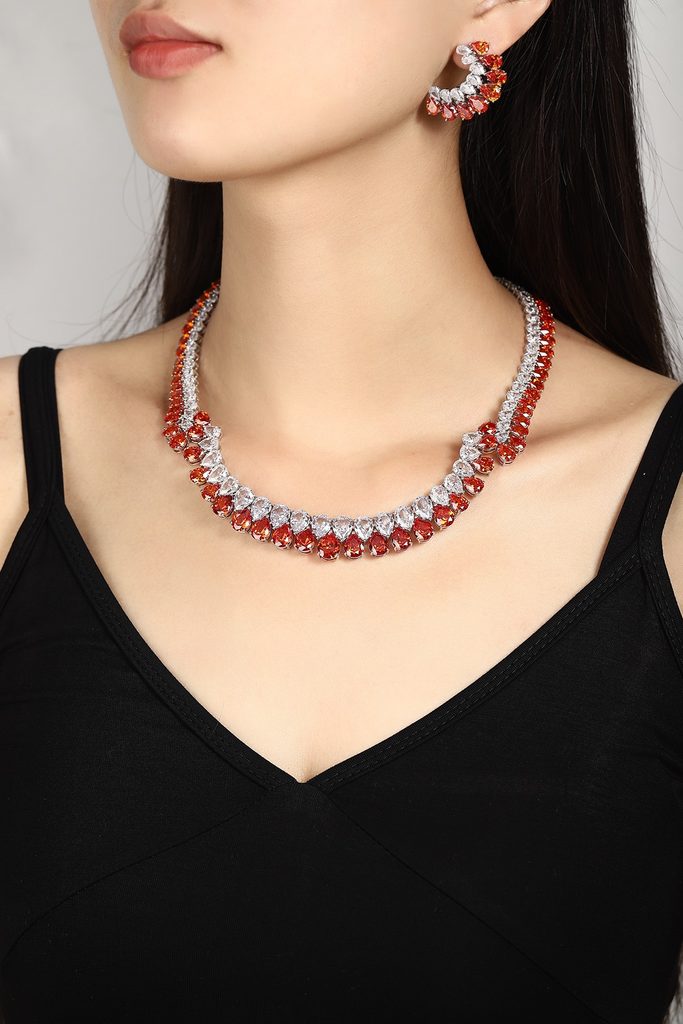
Lighting forms the foundation of both physical display booths and studio photography for lab‑grown diamond goods. Avoid strong warm yellow ambient light, which can artificially boost colour on near‑colourless lab‑grown diamonds and hide faint body tint visible under natural daylight. Mixed‑source lighting is equally problematic; shifting colour temperatures make the same stone look different across product photos, catalogues and trade‑show display cases. Soft diffused daylight‑balanced lighting around 5000‑5500 K gives the most neutral representation. For studio shooting, use large softboxes to spread light evenly, keep harsh point‑source spotlights to a minimum. Direct sharp beams create exaggerated fire flashes that do not reflect real‑world wear and may cause buyer expectations to diverge from received goods. Add one low‑power fill light to soften deep shadows around pavé settings, tennis chains and milgrain details so metal finishes‑‑high‑polish, brushed, matte PVD‑‑remain clearly distinguishable. When setting up physical trade‑show displays, shield exhibits from direct sun beams; direct sunlight can over‑accentuate scintillation and also accelerate gradual tarnish on plated jewellery components over multi‑day events.
Background and staging choices keep focus locked on stones and metal construction, critical for Lab Grown Diamond & Jewelry Manufacturer. Stick to neutral, non‑reflective bases for most product shots: matte light grey, medium grey or pure seamless white backgrounds work best for e‑commerce catalogues and wholesale line sheets. Glossy mirror surfaces produce excessive uncontrolled reflections that obscure facet structure of lab‑grown diamonds. If you want subtle reflective effect, employ low‑gloss semi‑matte acrylic instead of polished glass. Keep props minimal. Over‑styling with busy textiles, heavy decor or colourful scenery distracts wholesale clients who need to assess stone shape, setting craftsmanship and chain dimensions. For lifestyle supplementary shots you may use restrained neutral props, but always maintain separate clean‑cut product‑only images for specification reference. For trade‑show counter displays, arrange pieces with small low‑profile risers to separate SKUs; group items by metal tone or diamond shape rather than mixing dozens of styles chaotically. Leave breathing space between each piece so viewers can inspect individual items without visual clutter. Pay attention to surface cleanliness for every display unit and photo subject. Fingerprints, dust particles and loose surface lint show up dramatically on lab‑grown diamond facets and polished gold surfaces. Establish a pre‑shoot routine: wipe each item with lint‑free microfibre cloth, use compressed air to blow away surface dust before placing under camera or inside display cabinets. Even tiny specks will get amplified during close‑up macro shooting.
Camera, angle and focus practices ensure technical details translate accurately to digital outputs. Use a stable tripod for all jewellery product work; hand‑held shots introduce soft blur on fine facets. Shoot multiple fixed angles for every SKU: straight‑on front view, slight 45‑degree side perspective, close‑up macro focusing on diamond table and crown facets, plus full‑profile shot to show band thickness, chain width and setting profile. The macro close‑up is especially meaningful for lab‑grown diamond lines. Buyers want to evaluate facet alignment and surface finish, not only overall sparkle. Do not over‑crank exposure settings to create blinding brightness. Over‑exposure washes out facet boundaries, hides minor inclusions noted on lab certificates and makes colourless lab‑grown stones appear artificially whiter than their official grading. Maintain exposure so facet contrast stays visible. Depth of field management requires care. Extremely shallow depth of field blurs important setting details; use moderately stopped‑down aperture to keep the whole diamond and main setting in sharp focus. Where certain edges slip outside sharp range, consider focus stacking to combine multiple frames into one fully sharp image. Capture scale reference thoughtfully. Wholesale customers need to understand real‑world item size. Include subtle size reference markers in select frames, or shoot pieces alongside standard neutral reference objects, avoiding distracting items. Never rely purely on zoomed‑in glamour frames without full‑size product views.
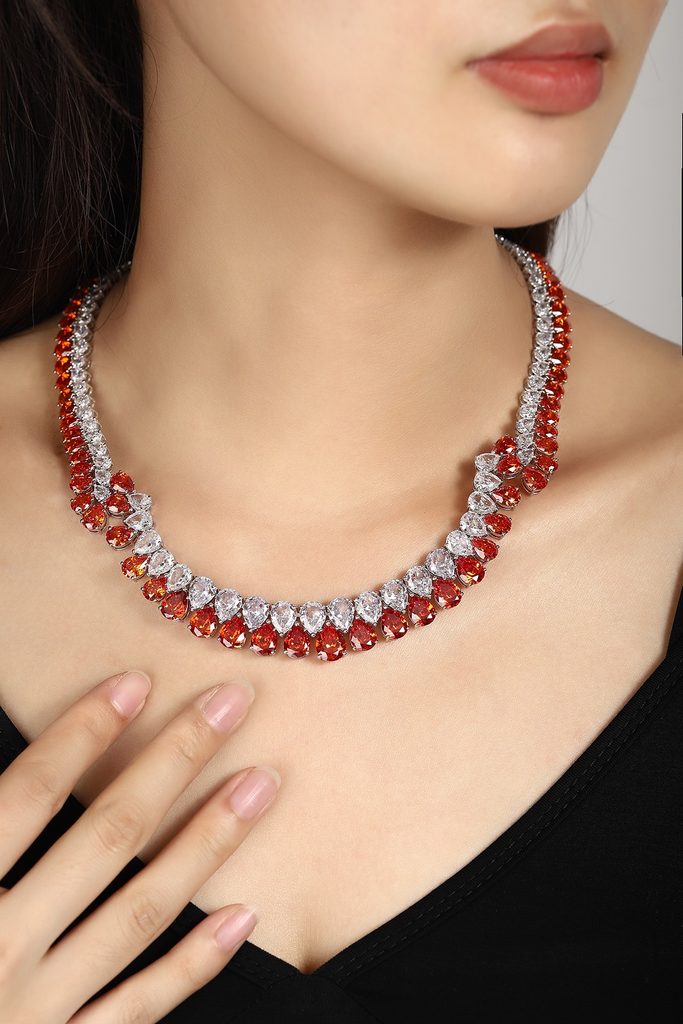
Post‑processing rules carry great importance for lab‑grown diamond manufacturers, because photo editing must not misrepresent certified stone properties. You may correct white balance, fix minor background imperfections, adjust brightness and contrast for consistent output across image sets. Sharpen facet edges moderately, targeting diamond surfaces and metal edges. Avoid heavy manipulation that alters certified colour grade, hides identifiable inclusions, or modifies actual stone dimensions. Do not digitally “remove” visible inclusions or tint present on real lab‑grown diamonds. Such edits create mismatches between photos, lab certificates and delivered goods, triggering return requests and eroding supplier credibility. Keep raw original files for internal reference. When preparing image packages for reseller partners, export in multiple usable resolutions: high‑resolution files for print catalogues and lookbooks, optimised compressed versions for web stores and social channels. Retain consistent colour profiles across your whole image library, so 14 K gold, 18 K gold and platinum render uniformly across hundreds of product assets.
Physical display best practices complement studio photography for trade fairs, sample rooms and client showrooms. Protect lab‑grown diamond jewellery from scratches during display. Separate individual pieces with soft fabric dividers; do not stack items directly against one another. Rotate exhibit stock periodically. Keep frequently‑displayed samples refreshed; plated finishes will wear over prolonged showcase exposure. Offer supporting printed or digital lab report snippets alongside displayed lab‑grown diamond pieces. Quick reference to shape, carat weight, colour, clarity and cut helps visiting buyers evaluate merchandise without guesswork. Manage cabinet lighting runtime. Switch display lights off outside visiting hours to reduce cumulative heat exposure to metal plating. Organise your sample layout to mirror your wholesale ordering logic: group moissanite side‑stone styles separate from full lab‑grown diamond assemblies, segregate white‑gold, yellow‑gold and rose‑gold variants. This arrangement speeds up sampling selection for visiting importers and boutique owners.
Common pitfalls manufacturers should avoid include over‑staging that obscures craftsmanship, over‑blown sparkle from misused spotlights, heavy photo retouching that diverges from lab report data, inconsistent colour temperature across your photo library, and dirty, dusty samples going into shoots or showcases. Great display and photography for lab‑grown diamond jewellery does not aim to make goods look unrealistically perfect. Its real objective is faithful, appealing representation that lets business partners confidently assess cut, colour, clarity, metal workmanship and physical dimensions before placing bulk orders. Solid repeatable shooting and display workflows reduce back‑and‑forth enquiry volume, lower dispute risks and reinforce your reputation as a reliable lab‑grown diamond jewellery source.