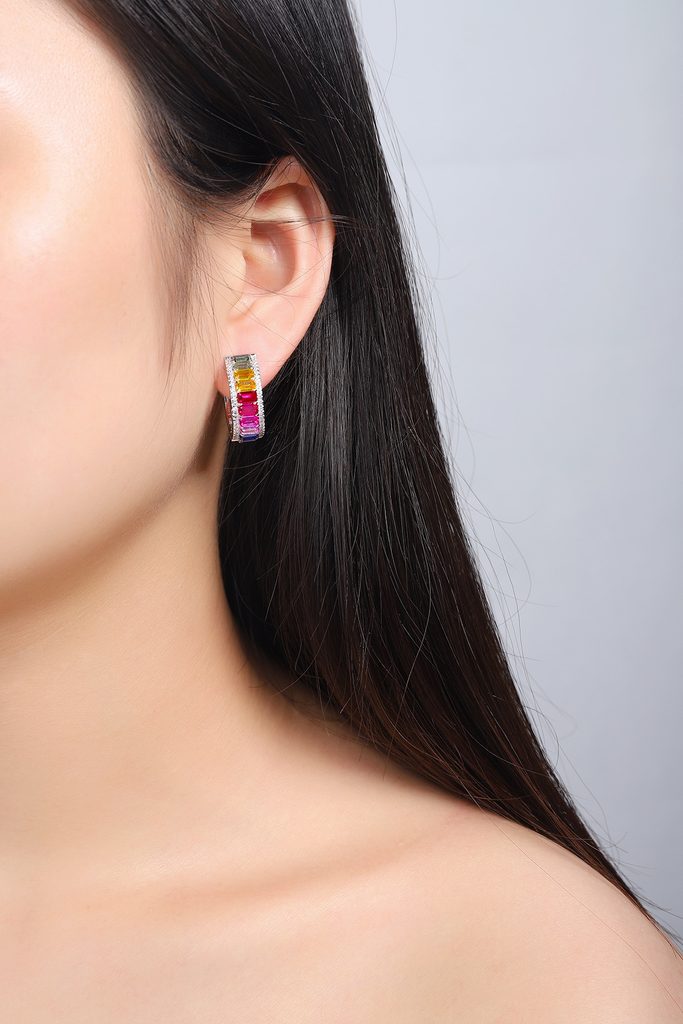
Display And Photography Tips For Lab Grown Diamond & Jewelry Manufacturer

Capture true‑to‑stone brilliance for wholesale buyers, e‑commerce and lookbook shoots; practical display, lighting and shooting advice tailored for lab‑grown diamond jewellery factories.

Working as a lab‑grown diamond and fine jewellery manufacturer, your photography and physical display directly shape how distributors, boutique buyers and retail partners judge product quality. Unlike mined diamond stock, lab‑grown stones demand careful handling to show colour grade, clarity, cut precision and consistent sparkle without misleading over‑exposure. Poor visuals will lower perceived value, create post‑order disputes over stone appearance and slow down order conversion, even when your physical pieces meet strict technical specifications. Thoughtful display setups and repeatable photography workflows help you deliver trustworthy imagery that aligns with lab report parameters while highlighting commercial selling points for B‑B audiences.
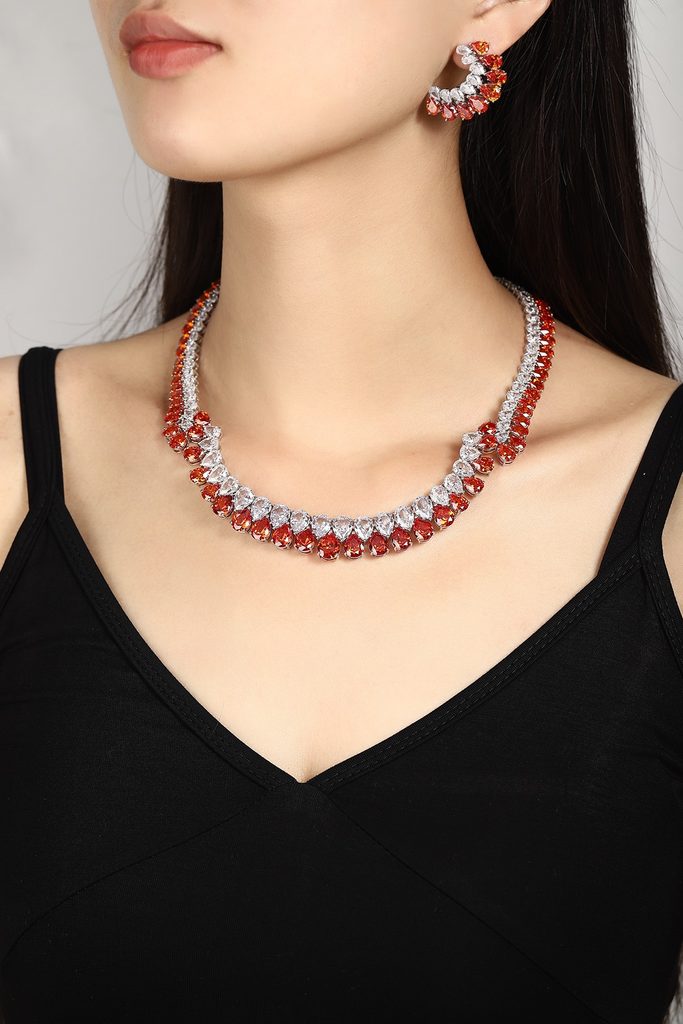
Lighting forms the foundation of both physical display booths and studio photography for lab‑grown diamond goods. Avoid strong warm yellow ambient light, which can artificially boost colour on near‑colourless lab‑grown diamonds and hide faint body tint visible under natural daylight. Mixed‑source lighting is equally problematic; shifting colour temperatures make the same stone look different across product photos, catalogues and trade‑show display cases. Soft diffused daylight‑balanced lighting around 5000‑5500 K gives the most neutral representation. For studio shooting, use large softboxes to spread light evenly, keep harsh point‑source spotlights to a minimum. Direct sharp beams create exaggerated fire flashes that do not reflect real‑world wear and may cause buyer expectations to diverge from received goods. Add one low‑power fill light to soften deep shadows around pavé settings, tennis chains and milgrain details so metal finishes‑‑high‑polish, brushed, matte PVD‑‑remain clearly distinguishable. When setting up physical trade‑show displays, shield exhibits from direct sun beams; direct sunlight can over‑accentuate scintillation and also accelerate gradual tarnish on plated jewellery components over multi‑day events.

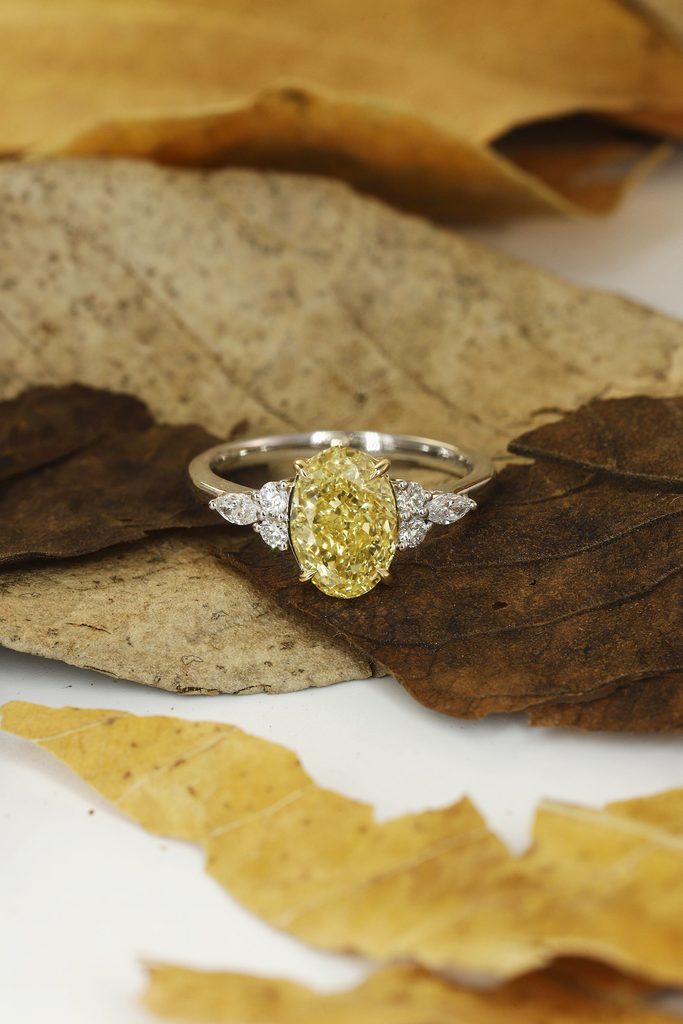
Background and staging choices keep focus locked on stones and metal construction, critical for Lab Grown Diamond & Jewelry Manufacturer. Stick to neutral, non‑reflective bases for most product shots: matte light grey, medium grey or pure seamless white backgrounds work best for e‑commerce catalogues and wholesale line sheets. Glossy mirror surfaces produce excessive uncontrolled reflections that obscure facet structure of lab‑grown diamonds. If you want subtle reflective effect, employ low‑gloss semi‑matte acrylic instead of polished glass. Keep props minimal. Over‑styling with busy textiles, heavy decor or colourful scenery distracts wholesale clients who need to assess stone shape, setting craftsmanship and chain dimensions. For lifestyle supplementary shots you may use restrained neutral props, but always maintain separate clean‑cut product‑only images for specification reference. For trade‑show counter displays, arrange pieces with small low‑profile risers to separate SKUs; group items by metal tone or diamond shape rather than mixing dozens of styles chaotically. Leave breathing space between each piece so viewers can inspect individual items without visual clutter. Pay attention to surface cleanliness for every display unit and photo subject. Fingerprints, dust particles and loose surface lint show up dramatically on lab‑grown diamond facets and polished gold surfaces. Establish a pre‑shoot routine: wipe each item with lint‑free microfibre cloth, use compressed air to blow away surface dust before placing under camera or inside display cabinets. Even tiny specks will get amplified during close‑up macro shooting.

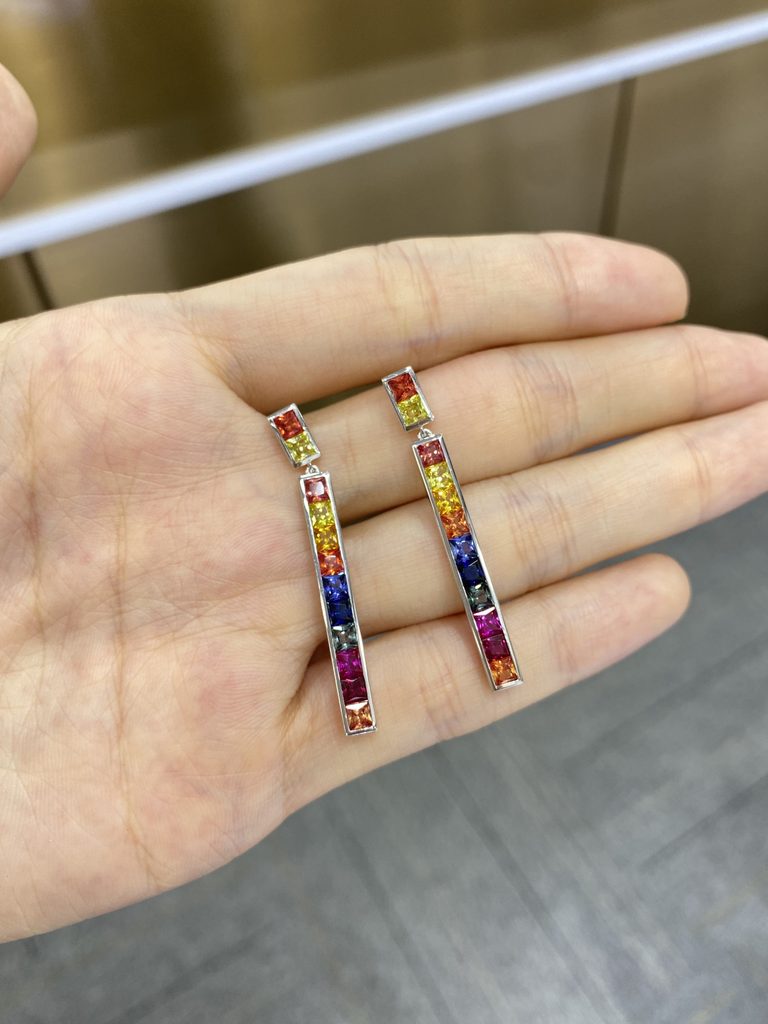
Camera, angle and focus practices ensure technical details translate accurately to digital outputs. Use a stable tripod for all jewellery product work; hand‑held shots introduce soft blur on fine facets. Shoot multiple fixed angles for every SKU: straight‑on front view, slight 45‑degree side perspective, close‑up macro focusing on diamond table and crown facets, plus full‑profile shot to show band thickness, chain width and setting profile. The macro close‑up is especially meaningful for lab‑grown diamond lines. Buyers want to evaluate facet alignment and surface finish, not only overall sparkle. Do not over‑crank exposure settings to create blinding brightness. Over‑exposure washes out facet boundaries, hides minor inclusions noted on lab certificates and makes colourless lab‑grown stones appear artificially whiter than their official grading. Maintain exposure so facet contrast stays visible. Depth of field management requires care. Extremely shallow depth of field blurs important setting details; use moderately stopped‑down aperture to keep the whole diamond and main setting in sharp focus. Where certain edges slip outside sharp range, consider focus stacking to combine multiple frames into one fully sharp image. Capture scale reference thoughtfully. Wholesale customers need to understand real‑world item size. Include subtle size reference markers in select frames, or shoot pieces alongside standard neutral reference objects, avoiding distracting items. Never rely purely on zoomed‑in glamour frames without full‑size product views.
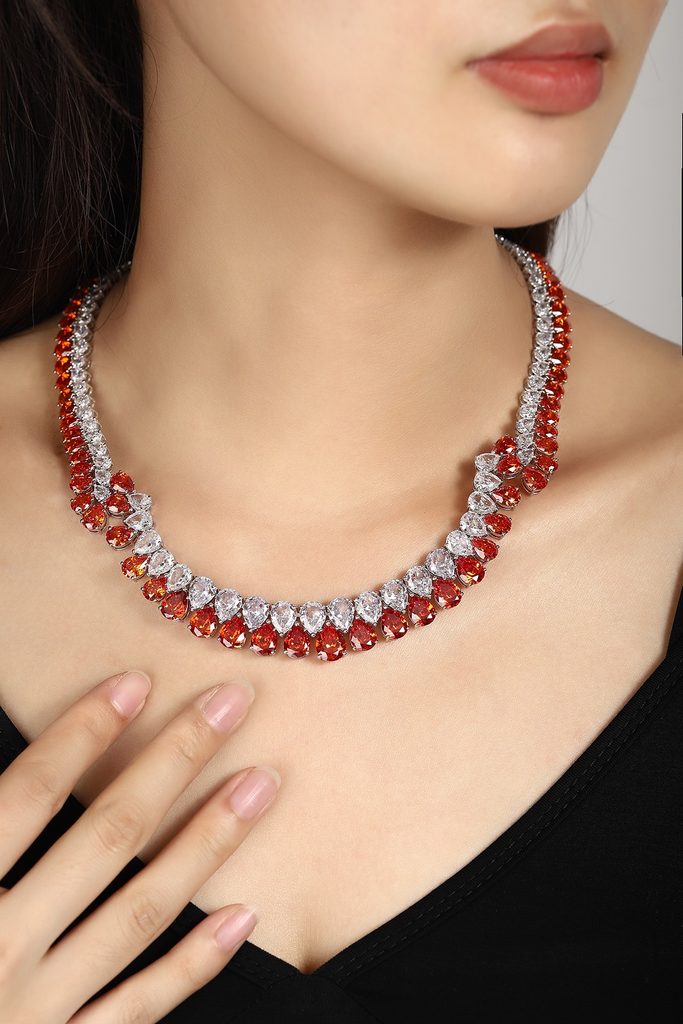
Post‑processing rules carry great importance for lab‑grown diamond manufacturers, because photo editing must not misrepresent certified stone properties. You may correct white balance, fix minor background imperfections, adjust brightness and contrast for consistent output across image sets. Sharpen facet edges moderately, targeting diamond surfaces and metal edges. Avoid heavy manipulation that alters certified colour grade, hides identifiable inclusions, or modifies actual stone dimensions. Do not digitally “remove” visible inclusions or tint present on real lab‑grown diamonds. Such edits create mismatches between photos, lab certificates and delivered goods, triggering return requests and eroding supplier credibility. Keep raw original files for internal reference. When preparing image packages for reseller partners, export in multiple usable resolutions: high‑resolution files for print catalogues and lookbooks, optimised compressed versions for web stores and social channels. Retain consistent colour profiles across your whole image library, so 14 K gold, 18 K gold and platinum render uniformly across hundreds of product assets.

Physical display best practices complement studio photography for trade fairs, sample rooms and client showrooms. Protect lab‑grown diamond jewellery from scratches during display. Separate individual pieces with soft fabric dividers; do not stack items directly against one another. Rotate exhibit stock periodically. Keep frequently‑displayed samples refreshed; plated finishes will wear over prolonged showcase exposure. Offer supporting printed or digital lab report snippets alongside displayed lab‑grown diamond pieces. Quick reference to shape, carat weight, colour, clarity and cut helps visiting buyers evaluate merchandise without guesswork. Manage cabinet lighting runtime. Switch display lights off outside visiting hours to reduce cumulative heat exposure to metal plating. Organise your sample layout to mirror your wholesale ordering logic: group moissanite side‑stone styles separate from full lab‑grown diamond assemblies, segregate white‑gold, yellow‑gold and rose‑gold variants. This arrangement speeds up sampling selection for visiting importers and boutique owners.

Common pitfalls manufacturers should avoid include over‑staging that obscures craftsmanship, over‑blown sparkle from misused spotlights, heavy photo retouching that diverges from lab report data, inconsistent colour temperature across your photo library, and dirty, dusty samples going into shoots or showcases. Great display and photography for lab‑grown diamond jewellery does not aim to make goods look unrealistically perfect. Its real objective is faithful, appealing representation that lets business partners confidently assess cut, colour, clarity, metal workmanship and physical dimensions before placing bulk orders. Solid repeatable shooting and display workflows reduce back‑and‑forth enquiry volume, lower dispute risks and reinforce your reputation as a reliable lab‑grown diamond jewellery source.
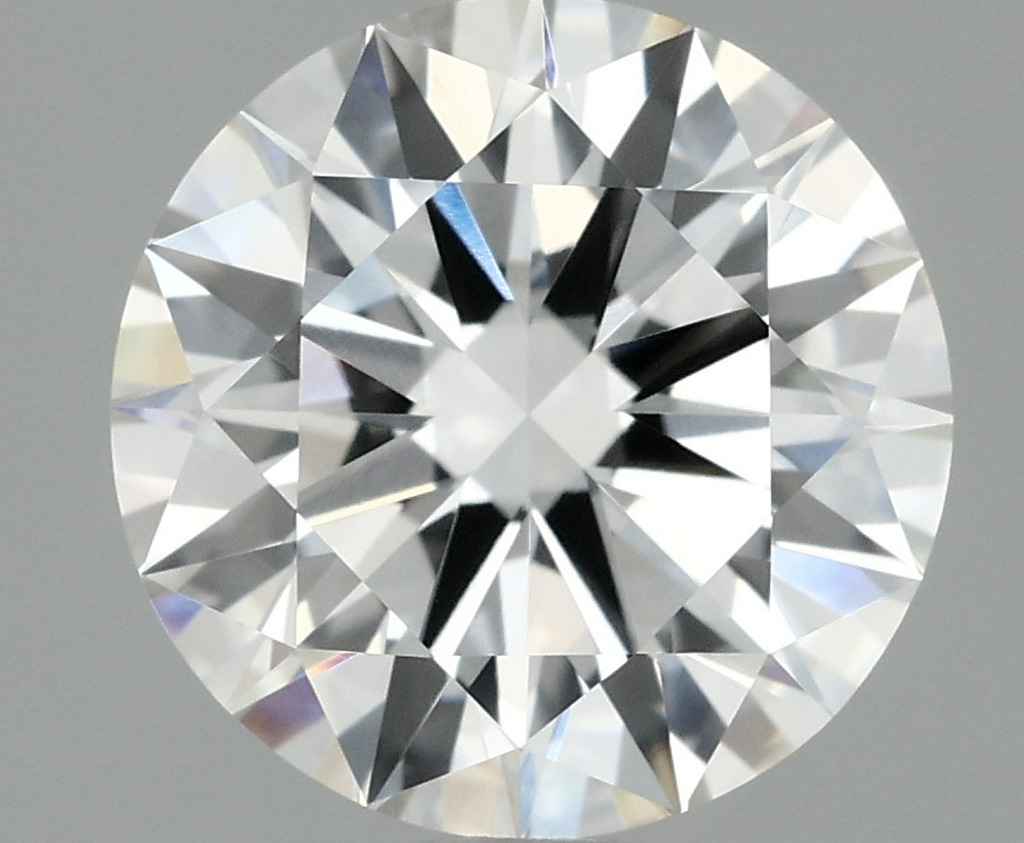
Small Batch Order Opportunities For New Sellers

The global jewelry retail landscape has undergone a dramatic shift in recent years, moving away from traditional mass-order wholesale models that favor large-scale retailers and established brands. For first-time jewelry entrepreneurs and emerging online sellers, high minimum order quantities, excessive inventory pressure, and high upfront investment costs have long been the biggest barriers to entering the industry. As a professional jewelry manufacturer focusing on lab grown diamond jewelry production and flexible wholesale solutions, we have tailored targeted small batch production and order policies to lower the entry threshold for new sellers, helping them avoid overstock risks, test market demand efficiently, and steadily build their brand reputation in the competitive jewelry market. This flexible business model has become the core competitive advantage for new entrants, allowing them to start small, iterate quickly, and expand their business scale step by step.

Unlike traditional jewelry manufacturing that relies on large-batch assembly lines to reduce unit costs, modern optimized production processes support flexible output adjustments. This operational upgrade makes small batch jewelry mainstream for new seller cooperation. Small batch orders typically cover 5 to 50 pieces per design, covering classic daily wear styles, high-end formal occasion jewelry, and personalized custom pieces. For new sellers who lack market data accumulation and stable customer groups, this model completely changes the traditional wholesale logic of “stock first, sell later”. It enables sellers to launch diverse product lines with limited capital, test the market feedback of different styles, and adjust their product layout in a timely manner, which greatly improves the success rate of startup jewelry businesses.

Market Demand And Product Advantages Of Wholesale Mens Diamond Rings

Men’s diamond jewelry has emerged as a fast-growing segment in the global jewelry market, breaking the long-term stereotype that diamond rings are exclusive to women’s wedding and daily matching scenarios. Modern male consumers pay increasing attention to personalized accessory matching, minimalist high-end wearing styles, and symbolic customized jewelry, making men’s diamond rings a hot-selling category for online jewelry retail. As a professional manufacturer, we have deeply optimized the design and production of men’s diamond rings to meet the differentiated market needs, providing cost-effective and high-quality wholesale products for new sellers.

Wholesale mens diamond rings have unique market advantages for new sellers’ layout. First, the market competition in the men’s diamond jewelry track is relatively less saturated compared with women’s jewelry, leaving sufficient market space for emerging sellers to occupy customer groups. Second, men’s diamond ring styles are mainly minimalist, durable, and versatile, with stable market demand and low style update frequency, reducing the difficulty of product replacement and inventory management for new sellers. In addition, with the popularization of lab grown diamond technology, men’s diamond rings with excellent cut, clarity and color parameters can be produced at a much lower cost than natural diamond products, helping new sellers gain obvious price advantages in retail while ensuring high product profit margins. We support small batch wholesale of various men’s diamond ring styles, including business minimalist styles, vintage carved styles, and casual trendy styles, fully meeting the diversified purchasing needs of new sellers targeting different consumer groups.

Professional Manufacturing Strength Of Lab Grown 2 Carat Diamond Products

Lab grown diamonds have become the preferred gem material for modern jewelry wholesale by virtue of their environmental protection attributes, stable quality, and high cost performance. In the high-end jewelry retail market, 2 carat lab grown diamond rings are extremely popular among consumers due to their moderate size, outstanding visual effect, and affordable price, becoming a core profit product for many online jewelry sellers. As a mature and experienced lab grown 2 carat diamond manufacturer, we have complete independent production chains from diamond cultivation, cutting and polishing to jewelry inlay and finished product processing, ensuring every finished product meets international jewelry quality standards.

Our manufacturing advantages are fully reflected in the quality control of 2 carat lab grown diamonds. We adopt advanced chemical vapor deposition cultivation technology to produce lab grown diamonds with consistent color, clarity and cut grades, and each batch of diamonds is equipped with authoritative international certification reports to ensure product authenticity and traceability. In terms of finished product production, we support diversified metal matching schemes such as S925 silver, 18K gold and platinum, and can customize ring size, diamond setting method and surface polishing process according to market demand. More importantly, we break the industry convention that high-carat diamond jewelry only supports large-batch orders, and launch exclusive small batch order policies for new sellers. New sellers can purchase a small number of 2 carat lab grown diamond ring samples and spot goods for market testing, avoiding the huge capital risk caused by large-scale stocking of high-value jewelry. This professional and flexible manufacturing service fills the market gap of high-carat lab grown diamond small batch wholesale, providing strong product support for new sellers to lay out high-end jewelry business.

Optimal Channel Selection For New Jewelry Sellers’ Online Business

Choosing a suitable sales platform is the key determinant of the operational efficiency and profitability of new jewelry sellers. Different e-commerce platforms have different user groups, traffic rules, market positioning and operating thresholds, which directly affect product exposure, order conversion and long-term business development. For new sellers who focus on small batch jewelry wholesale and retail, screening platforms that match their product positioning and operational capabilities can effectively shorten the startup cycle and quickly accumulate initial customer resources.

Industry data and practical operation feedback show that there are clear answers to best e-commerce platforms for new jewelry sellers. Cross-border e-commerce platforms with low entry thresholds and complete seller support policies are most suitable for new jewelry entrepreneurs. These platforms have massive global consumer traffic, perfect logistics and after-sales systems, and standardized wholesale and retail settlement mechanisms, which can help new sellers quickly complete product listing, traffic acquisition and order transaction without complex website construction and brand promotion work. In addition, vertical jewelry wholesale platforms and social e-commerce channels are also excellent choices. Vertical wholesale platforms gather a large number of jewelry retailers and boutique buyers, which is conducive for new sellers to expand wholesale customer groups; social e-commerce channels rely on content drainage and private domain traffic operation, which is suitable for promoting personalized lab grown diamond rings and men’s customized jewelry, realizing precise customer matching.

Different platforms also have different adaptation rules for small batch jewelry products. For comprehensive e-commerce platforms, standardized conventional diamond ring styles are easier to get traffic support; for social and content-based platforms, personalized customized products and high-value 2 carat lab grown diamond jewelry are more likely to attract user attention and trigger spontaneous sharing and conversion. As a manufacturer, we provide targeted product packaging, material introduction and marketing picture materials for different platform rules, helping new sellers quickly adapt to platform operation requirements and improve product competitiveness.

Core Benefits Of Manufacturer Direct Small Batch Cooperation For New Sellers

Cooperating directly with professional jewelry manufacturers for small batch orders can help new sellers avoid the price markup and information asymmetry problems of intermediate wholesalers, and obtain more cost-effective products and more flexible service support. In the traditional jewelry wholesale supply chain, products need to pass through multiple links such as factory, regional agent, and wholesale market, and each link will increase the wholesale price, resulting in low profit margins for terminal sellers. Direct manufacturer cooperation completely flattens the supply chain, allowing new sellers to enjoy factory direct prices even for small batch orders.

In terms of order flexibility, our small batch policy covers all lab grown diamond ring series including men’s wholesale diamond rings and 2 carat high-carat diamond jewelry. New sellers can mix different styles, sizes and carat products in one small batch order to enrichen their product portfolio and meet diverse consumer needs. At the same time, we provide free sample testing services, allowing new sellers to verify product quality, craftsmanship and appearance before placing formal bulk orders, effectively avoiding inventory losses caused by inconsistent product quality and market aesthetics.

In terms of after-sales and customization services, we support fine-tuning of product details, personalized logo engraving and exclusive packaging customization for small batch orders, helping new sellers build differentiated brand features and improve customer repurchase rate. For new sellers who are new to the jewelry industry and lack product professional knowledge and operation experience, we also provide free professional guidance including product parameter introduction, market trend analysis and sales skill suggestions, helping them quickly get started with jewelry business operation.

Long Term Development Strategies For New Jewelry Sellers With Small Batch Orders

Small batch order is not only a low-threshold startup method for new sellers, but also an important strategic tool for long-term business growth. In the early stage of entrepreneurship, new sellers can use small batch jewelry to test multi-category market feedback, screen high-conversion and high-reputation hot styles, and accumulate stable customer groups and positive store reviews. After verifying market demand, sellers can gradually increase the order quantity of hot-selling products and carry out targeted large-batch stocking to reduce unit production costs and further improve profit margins.

For high-value products such as 2 carat lab grown diamond rings and customized men’s diamond rings, new sellers can adopt the operation mode of small batch spot supply plus customized pre-order sales. This mode can effectively reduce the occupation of working capital, while meeting consumers’ personalized customization needs and improving product added value. With the continuous accumulation of operation experience and customer resources, new sellers can gradually expand their product line coverage, launch more differentiated lab grown diamond jewelry styles, and form their own unique brand positioning in the market.

In terms of platform operation iteration, new sellers can summarize platform traffic rules and user preference characteristics through small batch product sales data, optimize product titles, keywords and display content, and continuously improve product exposure and order conversion rate. Combined with the product advantages of manufacturer direct supply, new sellers can form a competitive barrier of high cost performance and high service quality, and achieve stable and sustainable business growth in the increasingly competitive online jewelry market.

High‑Margin Engagement Styles Within Wholesale Rings Catalog

The modern bridal jewelry market continues to shift toward accessible, stylish, and high-profit inventory that appeals to contemporary couples and boosts retail profitability. As consumer preferences move away from overpriced natural diamond designs toward sustainable, cost-effective alternatives, wholesale jewelry inventory has become the core of profitable bridal retail operations. Our curated wholesale rings catalog is engineered to prioritize high-margin engagement styles that balance trending aesthetics, durable craftsmanship, and flexible wholesale pricing, helping jewelry retailers maintain competitive edge while maximizing profit potential in the crowded bridal jewelry sector.

In recent years, lab-grown diamond jewelry has dominated bridal market growth, driven by its ethical production, lower acquisition costs, and exceptional visual quality matching natural diamonds. Unlike traditional natural diamond rings that carry inflated mining and supply chain costs, modern engagement ring designs built with premium lab-grown stones deliver far higher gross profit margins for retailers. Every style featured in our wholesale rings catalog is carefully screened for market demand, production efficiency, and resale profitability, focusing on timeless and trendy silhouettes that sell consistently across seasonal and regional market changes.

Premium Loose Diamond Sourcing for Custom Engagement Ring Production

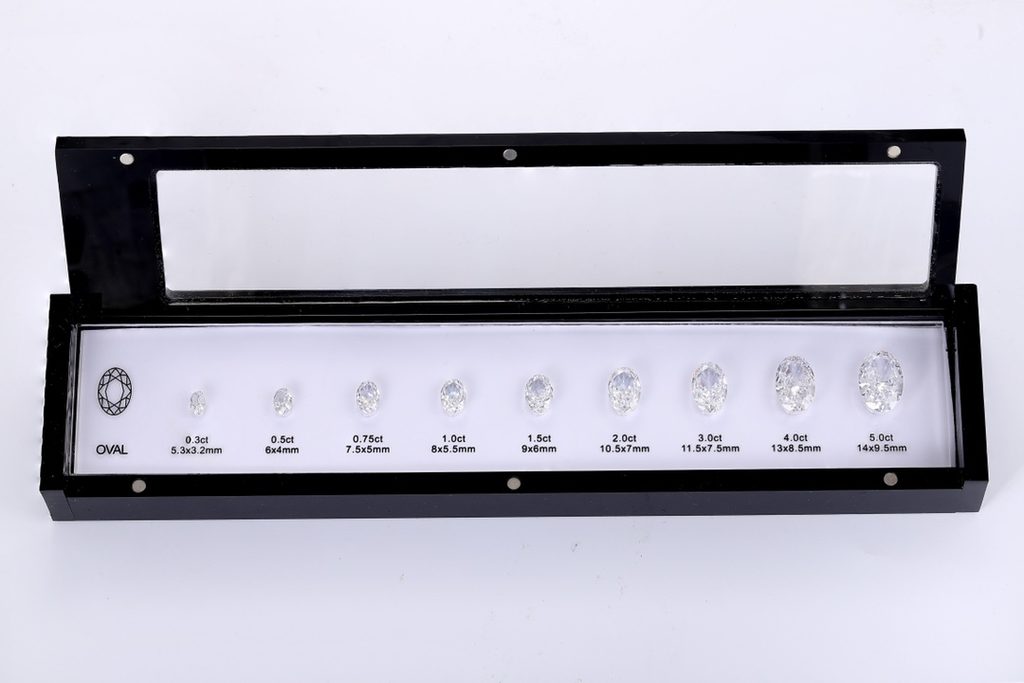
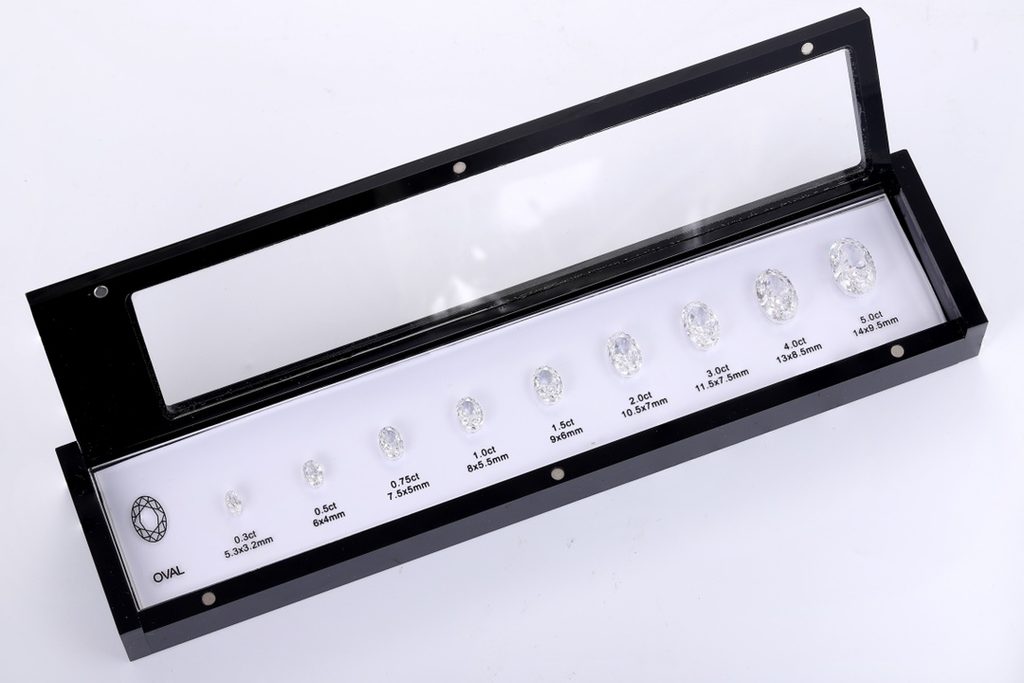
The foundation of every high-margin engagement ring lies in high-quality loose diamonds that offer stable costs, consistent grading, and versatile design adaptability. For retailers seeking customizable bridal inventory with strong consumer appeal, oval loose diamonds wholesale stands out as the most practical and profitable sourcing solution in the current market. Oval-cut diamonds have maintained top-tier popularity in bridal jewelry for years, thanks to their elongated silhouette that visually enhances finger length, creates a brilliant light reflection effect, and fits seamlessly into classic, minimalist, and vintage engagement ring designs.

As a professional jewelry manufacturer, we maintain a large in-stock inventory of oval loose diamonds covering a full range of carat weights, color grades from D to H, and clarity grades from VS1 to SI1. All stones undergo strict internal quality inspection and support third-party authoritative certification, ensuring stable quality and reliable traceability for every piece. Sourcing oval loose diamonds through our wholesale channel eliminates intermediate link markups, drastically reducing the raw material cost of finished engagement rings. Compared with retail diamond purchases or multi-level distribution sourcing, wholesale oval loose diamonds cut raw material expenses by 40% to 60%, creating ample profit space for finished ring sales.

Beyond cost advantages, oval loose diamonds offer exceptional design flexibility. The elongated shape adapts to solitaire settings, halo designs, three-stone layouts, and split-shank ring styles, allowing retailers to diversify their engagement ring inventory with a single stone type. This versatility reduces inventory pressure and enriches product lines without excessive capital investment. In our wholesale rings catalog, oval diamond-centered engagement styles account for over 40% of high-margin bestsellers, proving their enduring market appeal and profitability for retail partners.

Distinctive Heart Cut Diamond Designs for Niche High-Profit Markets

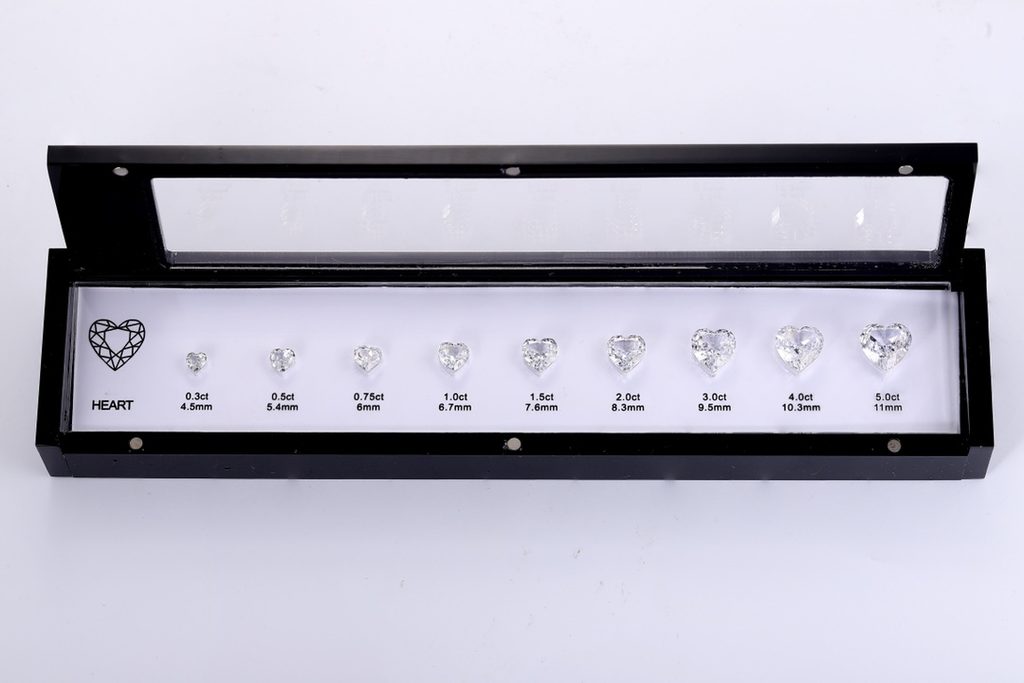
While classic round and oval diamond rings dominate mainstream bridal sales, unique shaped diamond styles capture niche market demand with higher profit margins and lower market competition. Heart cut diamond engagement rings represent a romantic, emotionally resonant design category favored by young couples, anniversary buyers, and custom bridal jewelry consumers. Securing stable and high-quality stone supply is critical to scaling this profitable product line, making reliable heart cut diamond supplier partnerships indispensable for modern jewelry retailers.

Our manufacturing facility specializes in precision cutting and polishing of heart cut diamonds, adhering to strict proportion standards to ensure symmetrical outlines, complete bowtie reduction, and maximum light brilliance. Most inferior heart cut diamonds on the market suffer from uneven lobes, shallow cuts, or poor light performance, which lead to low consumer satisfaction and high return rates. As a dedicated heart cut diamond supplier focused on bridal wholesale, we optimize every cutting process to deliver stones with perfect symmetry, vivid sparkle, and consistent grading.

Heart cut diamond engagement styles command premium retail pricing due to their unique romantic symbolism and relatively low market saturation. Retailers can price these pieces 20% to 30% higher than similar-sized oval or round diamond rings while maintaining reasonable consumer affordability. Our wholesale rings catalog features an exclusive collection of heart cut diamond engagement designs, including delicate solitaire heart rings, double halo heart styles, and vintage milgrain heart diamond rings. Each design is crafted with premium 925 silver and 14K solid gold settings, combining exquisite craftsmanship with unique stone aesthetics to further elevate product value and profit margins.

To support retail partners’ flexible inventory planning, we provide customizable heart cut diamond specifications, including adjustable carat sizes, color grades, and metal finishes. Bulk wholesale orders enjoy additional volume discounts and customized packaging services, enabling retailers to launch differentiated heart cut diamond jewelry lines and capture high-margin niche market share that mainstream competitors overlook.

Market Leading Profitability of Wholesale Lab Grown Diamond Rings

The core driving force behind the high-margin advantages of our entire engagement style catalog is the widespread application of advanced diamond cultivation technology in modern jewelry production. Wholesale lab grown diamond rings have completely reshaped the bridal jewelry profit model, delivering far higher gross margins than traditional natural diamond rings while meeting growing consumer demands for sustainability and transparency.

Lab grown diamonds feature identical physical, optical, and chemical properties as natural mined diamonds, with indistinguishable brilliance, hardness, and fire. The key advantage lies in their streamlined production process and zero mining-related costs, which drastically lower wholesale pricing for finished rings. Industry data shows that qualified lab grown diamond engagement rings deliver retail gross margins of 60% to 75%, while natural diamond rings only achieve 40% to 45% under the same sales conditions. This significant margin gap makes wholesale lab grown diamond rings the most profitable core category in modern bridal jewelry inventory.

All wholesale lab grown diamond rings in our catalog are produced with advanced CVD and HPHT cultivation technology, with every stone independently certified by authoritative international institutions. We strictly control production quality from raw material cultivation, diamond cutting, setting polishing to final product inspection, ensuring every finished ring features stable quality, flawless details, and outstanding visual performance. Our product lineup covers mainstream engagement ring styles including classic solitaires, halo accents, pave band designs, and modern minimalist styles, fully meeting diverse consumer aesthetic needs.

In addition to quality advantages, our wholesale pricing system for lab grown diamond rings is highly transparent and flexible. We offer tiered wholesale discounts for bulk orders, low minimum order quantities for small retailers, and exclusive customization services for brand partners. This flexible mechanism allows retailers of all scales to access high-quality, low-cost lab grown diamond engagement rings and adjust inventory according to local market consumption levels. Whether for offline physical store sales, online e-commerce operations, or custom bridal jewelry services, these products maintain stable sales volume and excellent profit returns.

Strategic Inventory Selection for Sustained High Margin Returns

A successful high-profit bridal jewelry business relies not only on high-quality products but also on scientific inventory selection and product portfolio matching. Our wholesale rings catalog is professionally categorized based on market sales data, profit margin levels, and consumer preference trends, helping retailers quickly screen high-margin hot-selling styles and avoid slow-moving inventory risks.

Oval diamond engagement rings are positioned as mainstream bestsellers, responsible for stabilizing daily sales volume and ensuring steady cash flow. Heart cut diamond engagement rings serve as high-value niche products, boosting average customer unit price and overall profit margins with their unique design advantages. Wholesale lab grown diamond rings act as the core profit pillar of the entire product line, covering full price ranges from entry-level affordable styles to high-end customized luxury designs, meeting the consumption needs of different customer groups.

We also continuously update our catalog with seasonal trending styles, incorporating popular elements such as thin delicate bands, hidden halo details, and two-tone metal designs. Each new style is tested through market pilot sales to verify its profitability and sales potential before mass launch, ensuring every updated product in the catalog carries reliable high-margin attributes. Meanwhile, we provide professional sales guidance and market trend analysis for all wholesale partners, helping them master product selling points, target customer groups, and pricing strategies to maximize sales profits.

Long Term Value and Competitive Advantages of Our Wholesale Catalog

As consumer awareness of sustainable jewelry continues to rise and lab grown diamond recognition penetrates global markets, the market share of high-margin lab grown engagement rings will keep expanding. Choosing our wholesale rings catalog means accessing stable high-quality supply, diverse trendy styles, and industry-leading profit space. We eliminate all redundant intermediate links, adopt standardized production and management processes, and control production costs to the greatest extent, ensuring that every retail partner can obtain maximum profit margins in product sales.

From high-cost-performance oval loose diamond wholesale raw materials and uniquely designed heart cut diamond styles to full-category high-profit wholesale lab grown diamond rings, our one-stop wholesale solution covers all core product categories required for bridal jewelry business operations. We adhere to fine craftsmanship, innovative design, and transparent pricing, committed to helping global jewelry retailers build high-profit, low-risk, and sustainable bridal jewelry product systems, and maintain long-term competitive advantages in the evolving bridal jewelry market.

How To Spot Trustworthy Suppliers of Loose Lab Grown Diamonds Wholesale

Sourcing wholesale loose lab‑grown diamonds carries unique risks: mis‑graded stones, fake certificates, undisclosed treatments, inconsistent parcel quality, and hidden fees. Reliable vendors separate themselves through verifiable documentation, transparent operations, consistent quality control, and clear commercial terms. Below is practical, actionable due‑diligence guidance for B2B buyers.

Independent, Verifiable Third‑Party Certification (Non‑Negotiable Baseline)

Trusted wholesalers supply every loose stone with grading reports from globally‑recognized gem labs: IGI, GIA, HRD Antwerp or GCAL. Internal‑only “house certificates” are not acceptable for professional wholesale purchasing.

  • Confirm each report clearly marks lab‑grown origin, specifies growth method (CVD or HPHT), 4C grades, fluorescence, and any post‑growth treatments.
  • Manually validate report numbers on the official lab website. Do not trust screenshots or PDF copies alone.
  • Check the girdle laser inscription under 10× loupe: it must match the certificate number and state “lab‑grown”. Mismatched or missing inscriptions are major warning signs.

Verify Supplier Background & Operational Reality

Many online sellers act only as brokers without real‑time inventory or production capacity.

  1. Confirm valid business registration, real physical workshop or warehouse address, not only virtual office or PO‑box. Request factory video tours if you cannot visit in‑person.
  2. Distinguish between vertically‑integrated manufacturers, cutters, and resellers. Brokers are not inherently bad, but you need clarity on who holds the actual inventory and performs quality screening.
  3. Ask for references from existing wholesale jewelry‑trade clients; check industry‑platform reviews and complaint patterns. One‑off negative feedback matters far less than repeated complaints over grading mismatch, delivery delays or refused returns.
  4. Credible vendors openly answer questions about rough origin, reactor sources, cutting facilities, and do not obscure whether stones are CVD or HPHT.

Insist on Sample & Trial‑Order Validation

Never commit to large‑volume parcels before testing representative samples.

  • Order trial stones matching your target specifications (shape, carat range, color‑clarity, cut grade). Inspect under daylight‑equivalent lighting and magnification against certificate specs.
  • Pay close attention to cut performance, not merely paper grades. Excellent / Ideal cut delivers real sparkle; poor‑cut stones will under‑perform even with attractive color‑clarity grades on paper.
  • Check fluorescence: strong fluorescence may create hazy visual effects. Reputable suppliers disclose fluorescence grade for every stone within the parcel.
  • Confirm dimensional tolerances for calibrated melee; inconsistent sizing creates major problems for mass jewelry setting.

Transparent Pricing, MOQ & Written Commercial Terms

Trustworthy wholesale partners itemize costs clearly, avoiding vague “all‑in” lump quotes.

  • Breakdown should show per‑carat base price, certification fees, shipping, insurance, and any custom‑processing surcharges. Extremely low pricing far below market benchmarks is a classic red flag.
  • Understand minimum‑order rules: reputable suppliers offer reasonable trial‑order options, they will not force unreasonably high MOQ for new buyers.
  • Secure return and rejection terms in written contract: what is the acceptable grading‑tolerance threshold, time window for rejection, and liability for certificate‑to‑stone mismatch. Avoid suppliers that place all risk onto buyers for quality discrepancies.
  • Be cautious of demands for 100% advance payment without trade‑assurance safeguards; balanced payment terms are standard within the diamond wholesale trade.

Clear Red Flags To Walk Away Immediately

  • Refuses to share certificate numbers for independent lab‑portal verification.
  • Cannot provide stone‑specific photos or short‑video of actual pieces, only generic stock marketing imagery.
  • Avoids answering direct questions about growth method, fluorescence, or post‑growth treatments. Uses vague descriptions like “near‑colorless” without concrete grading data.
  • Vague or non‑existent return policy; claims “certificate is final, no returns possible” for grading mismatches.
  • Cannot provide business credentials, physical location or trade‑client references.

Additional Practical Buying Tips

  • Prefer suppliers that pre‑screen every stone before shipment, not only rely on lab‑paper reports. Lab grading is human‑operated; secondary in‑house QC reduces parcel‑level inconsistency risk.
  • For cross‑border purchasing, confirm compliance with local import rules, origin documentation and FTC‑style origin‑disclosure requirements for lab‑grown diamonds.
  • For long‑term partnerships, test small repeated orders to monitor consistency across different production batches.

Bridal Collection with Versatile Wholesale Lab Grown Diamond Rings

The global bridal jewelry industry has undergone a dramatic transformation in the past five years, with consumer preferences shifting rapidly away from traditional natural diamond jewelry toward sustainable, cost-effective, and aesthetically versatile alternatives. Modern couples, especially millennials and Gen Z shoppers, prioritize value, ethical production, and wearable versatility over outdated luxury stereotypes. They no longer view bridal jewelry as a one-time ceremonial purchase but as a long-term wearable accessory that fits daily lifestyles, diverse fashion tastes, and personal values.

This major market shift has created both challenges and massive opportunities for independent jewelers. Unlike large chain jewelry brands that benefit from centralized supply chains, huge inventory budgets, and national brand exposure, small-scale independent jewelry retailers and local bridal boutiques often struggle with high natural diamond costs, rigid inventory restrictions, and outdated product lines that fail to attract young consumers. Many independent store owners face common operational dilemmas: high wholesale procurement costs squeeze profit margins, single-style bridal products limit customer choices, and overstocked high-priced natural diamond rings bring huge inventory risks.

In response to these industry pain points, forward-thinking jewelry manufacturers have optimized product structures and supply chain systems, focusing on developing high-quality lab-grown diamond bridal jewelry tailored for independent retailers. As a reliable jewelry manufacturer with years of experience in bridal jewelry production and global wholesale supply, we deeply understand the segmented needs of small and medium-sized jewelry retailers. Our core product layout focuses on flexible, high-cost-performance lab-grown diamond ring series, helping independent jewelers break through market limitations and gain core competitive advantages in the fiercely saturated bridal jewelry market.

Versatile Product Lineups Meet Diverse Consumer Demands

The biggest advantage for independent jewelers to stand out in the local market is personalized and diversified product selection, which can meet the unique aesthetic and functional needs of different customer groups. Our wholesale lab-grown diamond ring collection abandons the single and rigid design style of traditional bridal jewelry, covering full-scenario bridal jewelry styles from classic ceremony styles to modern daily wearable designs, completely solving the problem of insufficient product richness for small jewelry stores.

Our product portfolio includes complete and matched bridal jewelry combinations that perfectly cater to mainstream wedding consumption habits. Wholesale bridal ring sets have become one of our most popular wholesale items for independent retailers, integrating engagement rings and wedding bands into a unified aesthetic system. Each set adopts coordinated design elements in terms of diamond cutting, inlay technology, and ring frame lines, avoiding the style mismatch problem of separate purchases for couples. We provide diverse set styles, including classic solitaire diamond sets, romantic halo surround sets, elegant three-stone symbol sets, and minimalist thin-line sets, covering high, medium and entry-level market positioning.

In addition to matched bridal sets, our independent single ring products further enrich the store’s product matrix. We insist on balanced design between ceremony sense and daily practicality, abandoning overly exaggerated and bulky bridal ring designs that are not suitable for daily wear. All lab-grown diamonds in the collection are produced through mature CVD and HPHT production processes, with stable clarity, superior fire color and excellent light refraction performance, which are visually indistinguishable from high-grade natural diamonds. The diamond weight ranges from 0.3 carats to 5 carats, with customizable cutting, color and clarity parameters, allowing retailers to configure exclusive product combinations according to local consumption levels and customer preferences.

The ring frame materials support multiple high-quality options, including 10K, 14K, 18K solid gold and high-standard rhodium-plated sterling silver. Different materials correspond to different pricing ranges, enabling independent jewelers to cover multiple consumer groups from affordable mass consumption to high-end customized consumption with rich product layers.

Cost And Inventory Advantages For Small-Scale Retail Operations

Profit margin and inventory security are the two core concerns of all independent jewelers. Traditional natural diamond bridal jewelry has extremely high raw material costs, resulting in high wholesale prices and low profit margins for retailers. Once the market trend changes or consumer demand shifts, the high-value inventory will bring irreversible economic losses to small stores. Lab-grown diamond jewelry fundamentally solves this industry problem with its unique supply chain advantages.

As a professional manufacturer focusing on lab-grown diamond jewelry wholesale, we have realized large-scale standardized production of raw diamond cultivation and finished product processing. The streamlined production process removes intermediate price markups, allowing us to provide independent retailers with ultra-high cost-performance products. Compared with natural diamond rings of the same quality and parameter, our lab-grown diamond wholesale prices are far lower, leaving sufficient profit space for retailers while ensuring that store pricing has strong market competitiveness.

We have always formulated flexible wholesale policies for independent jewelers to adapt to the small-batch and diversified procurement characteristics of small stores. Different from large wholesalers’ rigid high minimum order quantity rules, our brand supports low-threshold mixed batch procurement. Retailers can purchase different styles, sizes and materials of lab-grown diamond rings in small batches according to store sales needs, completely avoiding inventory backlog and capital occupation risks. This flexible inventory model is especially suitable for newly opened jewelry stores and local boutiques with limited operating funds.

To further meet the daily sales and matching needs of retailers, we provide a wealth of basic bridal jewelry accessories. Wedding bands wholesale services cover plain bands, micro-paved diamond bands, carved pattern bands and couple matching bands of various widths and styles. These versatile wedding bands can be sold separately as daily couple jewelry, or matched with lab-grown diamond engagement rings to form exclusive customized bridal combinations, greatly enriching store sales scenarios and increasing customer order value.

Customization And Quality Assurance Boost Customer Loyalty

In the era of personalized consumption, standardized mass-produced jewelry can no longer meet the high-end needs of wedding consumers. Most couples hope their bridal rings have unique commemorative significance, which puts forward higher requirements for retailers’ customized service capabilities. Many independent jewelers lose high-value customers due to insufficient customized product support and backward production resources.

We fully empower independent retailers with strong manufacturer customization capabilities. Our professional design and production team supports personalized modifications of all products in the wholesale collection, including ring size adjustment, surface lettering, pattern carving, diamond parameter replacement and metal material upgrading. Retailers can collect customers’ personalized needs and feed them back to us, and we will complete efficient customized production with short cycle and high precision, helping retailers provide high-end customized services without investing additional production costs and equipment.

Quality stability is the foundation of retail store word-of-mouth operation. All our lab-grown diamond rings undergo strict multi-process quality inspection before leaving the factory, including diamond clarity detection, inlay firmness test, metal surface polishing inspection and size calibration. Each batch of products maintains unified quality standards, avoiding quality differences in bulk procurement. At the same time, we provide complete product qualification certificates and detailed product parameter descriptions, which can help independent jewelers improve professional service capabilities and enhance customer trust.

Long-Term Market Competitiveness For Sustainable Retail Growth

The bridal jewelry market is no longer a competition of single product price, but a comprehensive competition of product richness, cost control capability, service professionalism and market trend insight. For independent jewelers who want to achieve long-term stable operation, choosing a reliable lab-grown diamond jewelry manufacturer is equivalent to grasping the core password of market competition.

Our versatile wholesale lab-grown diamond ring collection is always iterated according to global fashion trends and consumer feedback. We regularly launch new seasonal styles, retro classic restored styles and trendy minimalist styles to help retailers keep their store products fresh and continuously attract new customer groups. Whether it is traditional wedding peak seasons or daily off-season sales, diversified product layouts can ensure stable store passenger flow and sales volume.

In addition to product advantages, we provide full-process supporting services for global cooperative retailers, including professional product picture and video materials, uniform product introduction templates, and timely after-sales service support. These free supporting resources greatly reduce the operating cost and publicity difficulty of independent jewelers, allowing them to focus on offline customer reception and service optimization.

As ethical consumption and sustainable fashion become mainstream global trends, lab-grown diamond jewelry will surely become the mainstream choice of the bridal jewelry market in the future. Independent jewelers who take the lead in deploying high-quality lab-grown diamond bridal products will seize the first-mover advantage in market transformation, accumulate superior customer resources and form irreplaceable core competitiveness in the local retail market.

US Import Regulations for Bulk Lab‑Made (Lab‑Grown) Diamonds

Bulk loose lab‑grown diamonds (rough / cut‑polished, unmounted) imported into the United States are governed by CBP (Customs and Border Protection), US HTS tariff classification, FTC Jewelry Guides, and US sanctions rules. Kimberley Process certification is NOT required for lab‑made diamonds; Kimberley controls only natural rough mined diamonds.

1. HTS Classification & Tariff Duty

Lab‑made diamonds fall under Chapter 71 (synthetic/reconstructed precious stones), separate from natural diamond HTS codes.

  • HTS 7104.21.00.00: Rough / sawn lab‑grown diamonds (un‑polished bulk parcels)
  • HTS 7104.91.20.00: Cut & polished bulk lab‑grown gem diamonds (jewelry‑grade loose stones)

Duty note: General duty rate is 3%, duty‑free under many US trade‑agreement special rates; Column‑2 punitive rate is 30% for goods from sanction‑target jurisdictions.
Mis‑classifying lab‑grown stones under natural‑diamond HTS codes will trigger customs holds, audits, or penalties, even with zero‑duty treatment.

2. Mandatory Customs Documentation for Bulk Shipments

For bulk wholesale consignments (multiple‑carat parcels):

  1. Commercial Invoice
    • Explicitly state “Lab‑Grown / Laboratory‑Created Diamonds”; specify production method: CVD or HPHT.
    • Break‑down total carat weight, piece count, unit value, total shipment value.
    • Declare country‑of‑origin (where the diamond was synthesized/grown), not just country of export.
  2. Packing List: itemize parcels, carat ranges, counts.
  3. Air Waybill / Ocean Bill of Lading.
  4. Grading reports: IGI / GIA lab‑grown certificates for representative stones within bulk lots (CBP may request verification of lab‑origin claim).
  5. Self‑certification for Russian‑origin sanctions: Since Sep 1 2024, non‑industrial diamonds ≥0.5 ct require a signed statement certifying goods are not produced/manufactured in the Russian Federation, even if transformed in third countries.
  6. No import license is required for lab‑grown diamonds into the US.

Kimberley Process Certificate is not needed for lab‑made rough or polished diamonds — KPCS applies exclusively to natural rough diamonds under the Clean Diamond Trade Act.

3. FTC Federal Trade Commission Rules (critical for B2B bulk imports)

FTC Jewelry Guides govern labeling and description, even for inbound wholesale bulk shipments before retail resale:

  • Must clearly identify goods as lab‑grown / laboratory‑created / man‑made diamond.
  • Prohibited deceptive shorthand: do not use only “diamond” without qualifier; avoid “cultured”, or language implying mined‑diamond rarity.
  • Bulk invoices, manifests, internal inventory records must reflect lab‑made origin, to avoid downstream misleading‑marketing liability for the US importer.
  • “Synthetic” is technically acceptable but FTC prefers “lab‑grown” for gem‑diamond trade to prevent consumer confusion with simulants.

4. Shipping, Risk & Customs Enforcement

  • High‑value bulk diamond shipments require marine‑cargo insurance explicitly naming “lab‑grown diamonds”; standard courier liability caps are very low (≈$100 per package) and insufficient for gem‑stone parcels.
  • CBP may physically inspect bulk parcels, require lab verification to confirm stones are synthetic (not natural diamonds mis‑declared). Penalties for mis‑declaration can include seizure, monetary fines, and increased future inspection rates.
  • Post‑August 2025: US de‑minimis low‑value shipment exemption no longer applies; all bulk diamond shipments require full formal customs entry, regardless of value.
  • Use a customs broker with gem‑stone / diamond import expertise for bulk lots.

5. Record‑Keeping Obligations

US importers must retain all import documents (invoices, certificates, origin statements, sanction self‑certifications) for 5 years post‑import for CBP audit purposes.

Quick Compliance Checklist for Bulk Lab‑Made Diamond US Import

✅ Correct 10‑digit HTS code (rough 7104.21.00.00 / polished 7104.91.20.00)
✅ Invoice clearly marks “Lab‑Grown”, lists CVD/HPHT method, origin, total carat & value
✅ Russian‑origin sanction self‑cert for stones ≥0.5 ct
✅ No Kimberley Process certificate (lab‑grown are exempt)
✅ Retain supporting lab grading documentation
✅ Formal customs entry (no de‑minimis shortcut)
✅ All‑risk cargo insurance for high‑value bulk parcels

Disclaimer: This is general trade guidance; always confirm HTS classification and current sanction rules with your licensed US customs broker prior to shipment.

Wholesale Lab‑Grown Diamond Rings Give Independent Jewelers An Edge

The bridal jewelry market continues to shift rapidly, pressured by large online platforms and national retail chains that pour massive advertising budgets into diamond engagement categories. Many local store operators find themselves stuck in a difficult position. They cannot match the scale‑driven low pricing of big‑box competitors, yet their core customer base increasingly expects accessible, high‑quality diamond options for life‑changing moments like proposals and weddings. Younger shoppers today come prepared with online research, comparing carat sizes, certification standards and price ranges before they step foot inside any physical jewelry location. This consumer behavior creates real risk for small operators who rely only on traditional natural‑diamond inventory with heavy upfront capital requirements. Wholesale lab‑grown diamond rings have rewritten these competitive rules, giving independent operators practical tools to retain customers, preserve healthy profit levels, and lean into the personalized in‑store experience that large competitors struggle to replicate.

Navigating Pressures Faced By Local Jewelry Operators

Independent store owners carry unique operational burdens that chain retailers rarely encounter. Most local operators tie large portions of working capital into physical inventory, and natural diamond stock demands heavy financial commitment. Volatile rough diamond markets and fluctuating precious metal costs further squeeze cash flow, slowing inventory turnover and limiting the range of bridal pieces each shop can keep on display. Large retail groups can place enormous bulk orders to secure favorable sourcing terms, while small outlets face higher per‑unit costs without comparable buying power.

Online competitors flood search engines with standardized bridal product listings, focusing heavily on price comparisons that push smaller retailers toward dangerous discount cycles. Many store owners once believed their only path forward was to match those low digital prices, which erodes profit and devalues the skilled craftsmanship and personal consultation they deliver to every guest. Modern bridal buyers want more than low prices. They seek transparent sourcing stories, hands‑on guidance, and custom tweaks that mass‑produced online offerings cannot deliver. boutique jewelry brands understand this customer expectation deeply, building reputation around thoughtful curation and human‑centered service rather than endless price cutting.

Many consumers now prioritize ethical origins alongside visual beauty when shopping for engagement rings. Mined‑diamond supply‑chain questions remain top‑of‑mind for engaged couples aged 25‑35, a demographic that forms the backbone of bridal revenue across North America and European markets. Shops without well‑sourced lab‑grown options risk losing these shoppers entirely, as customers walk out and complete purchases through digital‑first sellers. This market reality pushes local jewelers to rethink inventory strategy rather than merely defending older business models.

Matching Consumer Expectations With Strategic Inventory Choices

Shoppers exploring engagement jewelry no longer treat lab‑grown diamonds as a niche alternative. Today, certified lab‑grown stones sit firmly within mainstream bridal preferences, with many couples actively requesting these options before reviewing mined‑diamond selections. A well‑curated selection allows store staff to show larger carat weights and premium color‑clarity grades within realistic customer budgets, something difficult to achieve with natural diamond stock at similar price brackets.

A gem jewelry boutique can showcase multiple style directions without overextending capital. Classic solitaire profiles, halo mounting designs, vintage‑inspired silhouettes and modern low‑profile settings can all sit within the display case, drawing diverse client groups ranging from minimalist‑minded proposers to customers craving intricate decorative detailing. Each lab‑grown stone carries grading documentation from globally‑recognized laboratories, giving sales staff concrete material facts to share with detail‑oriented shoppers. Certification eliminates guesswork and builds trust, which matters enormously when customers make five‑figure sentimental purchases.

Fine jewelry boutiques for engagements thrive when they balance ready‑to‑wear stock with flexible custom modification capabilities. Many engaged couples want small adjustments to ring proportions, metal tones or engraving details. Sourcing finished rings and loose certified stones from established supply networks lets local jewelers offer these custom adjustments without investing in full‑scale in‑house manufacturing infrastructure. Instead of turning away clients who want personalized tweaks, store teams can adjust mountings, resize bands and apply custom finishing touches while keeping project timelines predictable. This hybrid approach turns sourcing flexibility into one of the store’s most powerful selling points.

Profit Structure That Protects Long‑Term Retail Sustainability

One of the most impactful advantages comes from the fundamental cost gap between lab‑grown and mined diamonds. Comparable lab‑grown stones carry drastically lower acquisition costs at the supply level, while visual appearance and grading standards remain identical to mined diamonds under standard viewing conditions. This dynamic creates two distinct strategic paths for retail operators. Shops can choose to offer more affordable retail price points to capture price‑sensitive bridal buyers, or they can maintain premium retail pricing while securing substantially healthier gross profit margins on every completed sale. Neither option forces stores to race toward unsustainable discounting, the trap that damages so many local jewelry businesses.

Inventory risk also improves substantially. Lower wholesale entry costs mean store owners can expand product assortment without locking huge sums of working capital into slow‑moving stock. Operators can test trending shapes such as oval, cushion and pear‑shaped center stones without committing to large‑volume purchases upfront. Sell‑through performance guides future re‑order decisions, so capital flows toward designs that resonate with local customers rather than sitting idle inside locked display cases for months. Smart inventory rotation directly improves cash flow stability, a critical factor for small retail businesses navigating shifting economic cycles.

Wholesale diamond engagement rings delivered as finished mountings further streamline day‑to‑day store workflows. Rather than coordinating separate loose‑stone purchases and custom casting jobs for every bridal inquiry, retail teams receive completed, quality‑checked rings ready for minor resizing and final customer presentation. This cuts down lead‑times for customers and reduces reliance on external third‑party bench jewelers for every bridal project. Even stores with limited in‑house bench capacity can deliver fast turnaround for proposal‑ready rings, a major competitive win against online sellers with unpredictable shipping windows.

Building Differentiation Beyond Pure Price Competition

Competing purely on price will always favor large‑scale digital retailers. Independent jewelers win by wrapping physical‑store value around every diamond ring sale. Wholesale‑sourced lab‑grown inventory becomes the foundation, not the complete selling argument. Store staff can walk customers through side‑by‑side stone comparisons, demonstrate mounting durability, show metal finish variations, and guide shoppers through every nuance of diamond grading that web pages struggle to communicate clearly.

Storytelling adds another powerful layer. Retail teams can explain modern diamond‑growing technology, certification protocols, and consistent supply‑chain transparency tied to lab‑grown goods. These narratives resonate with ethically‑focused shoppers who want to understand where their significant investment originates. Unlike mass‑market platforms that serve identical product descriptions to millions of visitors, local stores can tailor conversations to each couple’s unique values, budget limits and aesthetic preferences.

Repeat‑customer value multiplies with this approach. An engagement‑ring purchase rarely marks the end of a customer relationship. Successful stores follow up for anniversary upgrades, wedding‑band matching orders, anniversary gifts and milestone jewelry purchases. When customers enjoy positive consultation experiences and receive fairly‑priced certified lab‑grown pieces, they return for decades and refer friends and family searching for bridal jewelry. This organic word‑of‑mouth marketing costs almost nothing yet consistently outperforms paid digital advertising for local jewelry businesses.

Key Sourcing Considerations For Independent Retail Operators

Not all wholesale lab‑grown diamond offerings deliver equal quality, and poor sourcing decisions can harm store reputation. Operators should prioritize suppliers that provide full, verifiable laboratory certification for every stone, confirming carat, color, clarity, cut specifications and lab‑grown origin. Consistent quality control across finished rings matters greatly; inconsistent polish, uneven prong setting or poorly matched side‑stone quality will generate customer complaints and returned merchandise.

Minimum‑order requirements represent another practical detail. Many independent shops cannot absorb huge bulk orders, so flexible order thresholds allow small‑scale retailers to build assortment gradually. Reliable order fulfillment speed also directly shapes customer experience. Long production and shipping delays frustrate couples working against proposal timelines, hurting store reputation within local communities.

Retail operators should also prepare clear internal staff training. Sales teams need solid working knowledge of lab‑grown production methods, grading terminology and honest comparison points versus mined diamonds. Well‑prepared staff answer customer questions confidently without over‑promising or spreading misleading claims. Honest, transparent consultation builds lasting trust far more effectively than exaggerated sales talking points.

When local jewelers combine thoughtfully sourced wholesale lab‑grown diamond rings with their existing strengths in personal service, custom tweaks and community trust, they create a market position no large online competitor can fully copy. Instead of fighting losing battles on price alone, they give local shoppers compelling reasons to choose physical‑store experiences for one‑of‑a‑kind bridal milestones. This balanced strategy supports steady sales, sustainable margins and long‑term business resilience amid constant industry transformation.

Metal Choices For High‑Demand Wholesale Lab‑Grown Diamond Rings

The global lab-grown diamond jewelry market continues to expand rapidly, driven by affordable pricing, ethical production, and advanced cutting technology that delivers premium brilliance identical to natural diamonds. For jewelry distributors, retail boutiques, and fashion brand owners, selecting the right metal setting is the core factor that determines product sales volume, customer satisfaction, and long-term profit margins. As a professional jewelry manufacturer focusing on lab diamond customization and bulk wholesale, we have summarized the most market-competitive metal materials through years of order data, terminal sales feedback, and global market trend analysis. Each metal option caters to different consumer groups, usage scenarios, and regional market preferences, forming a complete product matrix for high-performance wholesale lab grown diamond rings.

Different metal alloys vary greatly in hardness, color retention, hypoallergenic performance, production cost, and retail positioning. Unreasonable metal matching will lead to low inventory turnover, high after-sales rates, and weak market competitiveness. Reasonable metal selection can maximize the value of lab-grown diamonds, balance cost and texture, and help downstream buyers quickly capture mainstream market demand. In the current cross-border and physical retail markets, several metal materials have always maintained high popularity and stable sales, becoming the mainstream choices for bulk wholesale and customized orders.

14K Gold Settings Balance Durability And Market Popularity

Among all precious metal options for lab diamond ring production, 14k gold lab rings occupy the absolute mainstream position in the global wholesale market and are the most recommended core inventory for distributors. 14K solid gold contains 58.5% pure gold, with moderate hardness and excellent ductility, perfectly solving the problems of easy deformation of high-purity gold and poor texture of low-end alloys. This metal can adapt to various complex ring designs, including solitaire engagement rings, halo setting rings, eternity bands, and stacked fashion rings, and can firmly inlay small to medium-large carat lab-grown diamonds without loose stones or deformation during long-term wearing.

14K gold has three classic color systems: yellow gold, white gold, and rose gold, covering all mainstream aesthetic preferences of global consumers. White 14K gold presents a cold and high-grade metallic luster after rhodium plating, which is highly consistent with the visual effect of high-end platinum, while effectively controlling production costs. Yellow 14K gold retains the warm and luxurious texture of traditional gold, which is favored by European and American wedding jewelry markets. Rose gold is popular among young consumer groups for its soft and versatile tone, suitable for daily fashion matching and romantic proposal scenarios.

From the perspective of mass production and wholesale sales, 14K gold has stable chemical properties, low tarnish rate, and simple later maintenance, which greatly reduces the after-sales pressure of retailers. Its price is more approachable than 18K gold and platinum, allowing downstream merchants to obtain sufficient profit margins while ensuring product grade. Whether for physical bridal jewelry stores, cross-border independent stations, or social e-commerce sales, 14K gold lab diamond rings always maintain high sales volume and repurchase rate, making them the core profit-bearing product of the entire wholesale series.

10K Gold Alloys Create Cost Effective Wholesale Solutions

For buyers who focus on cost performance and mass sales, 10k gold wholesale rings are the optimal choice for opening up the mid-to-low-end real gold jewelry market. Containing 41.7% pure gold, 10K gold has higher hardness and stronger scratch resistance than 14K and 18K gold. Its ultra-high durability makes it very suitable for daily wearing rings, student promise rings, and entry-level bridal jewelry, which can adapt to frequent daily friction and long-term wear without obvious scratches or deformation.

The biggest advantage of 10K gold lab diamond rings lies in its ultra-high cost performance. Under the same diamond specification and design, the production cost of 10K gold settings is significantly lower than 14K gold, which can help distributors launch affordable real gold lab diamond products and capture price-sensitive young consumers and novice jewelry buyers. In the North American market, 10K gold has extremely high market recognition and complete industry certification standards, with clear and standardized marking specifications, which can pass mainstream market quality inspections and support formal retail sales.

Although the gold content of 10K gold is lower than that of 14K gold, its metal luster and wearing texture are close to high-grade real gold, completely distinguishing it from alloy and plated jewelry. It is the best transitional product between low-cost silver jewelry and high-end 14K fine jewelry. In wholesale matching strategies, 10K gold series products are usually used as drainage models, cooperating with 14K gold high-profit models to form a complete price gradient, effectively improving overall order volume and market coverage.

Platinum Delivers Premium Quality For High End Custom Orders

In the high-end fine jewelry market that pursues ultimate texture and eternal value, platinum lab diamond rings have irreplaceable market advantages and are the preferred material for top-level engagement and wedding rings. Platinum used for jewelry production is usually PT900 or PT950, with a purity of more than 90%. It is a natural white precious metal, no need for rhodium plating, and will never fade or oxidize during long-term wearing, maintaining a lasting bright white luster.

Platinum has extremely high density and toughness, with stronger compression resistance and stone-setting stability than gold alloys. It can perfectly match large-carat, high-clarity lab-grown diamonds, highlighting the pure and sparkling fire of diamonds with its pure white metal tone. For high-end customized wedding rings and anniversary commemorative rings, platinum settings can greatly improve the grade and collection value of the products, meeting the high-quality pursuit of high-consumption groups.

Due to the high raw material cost and complex processing technology of platinum, the wholesale price of finished products is higher, and it is mainly oriented to high-end jewelry boutiques, custom studios, and high-net-worth consumer groups. The market sales volume of platinum products is lower than that of K gold series, but the profit margin per unit product is huge, and the customer stickiness is extremely strong. It is an indispensable high-end product line for improving brand grade and market competitiveness in the wholesale system.

Sterling Silver Realizes Low Threshold Fashion Jewelry Layout

For fashion jewelry distributors who focus on fast iteration and low-threshold trial sales, sterling silver lab rings are the best choice for covering daily fashion wearing scenarios. Made of 925 sterling silver and matched with high-standard rhodium plating technology, this series of products effectively avoids the problems of silver oxidation and blackening, with smooth surface and delicate luster, and the visual effect is close to white gold and platinum.

Sterling silver materials are light in weight, low in cost, and diverse in molding styles, which are very suitable for designing lightweight stacked rings, simple fashion rings, and small-carvat daily decorative rings. It can perfectly match round, princess, emerald, and other cutting small and medium-sized lab-grown diamonds, meeting consumers’ personalized wearing needs for daily commuting, party matching, and gift-giving. Different from the ceremonial attributes of wedding rings, sterling silver lab diamond rings focus more on fashion and versatility, with fast style iteration and strong market freshness.

The wholesale threshold of sterling silver products is low, with flexible MOQ, which is very suitable for new buyers to test market trends and develop new styles. In cross-border e-commerce markets such as North America and Europe, fashion silver lab diamond rings have stable and huge consumer demand, becoming an important supplement to the high-unit-price real gold jewelry series and effectively enriching the diversity of wholesale product lines.

Solid Gold Settings Ensure Stable Quality And Long Term Value

In the fine jewelry wholesale industry that focuses on quality and word-of-mouth, solid gold lab settings are the core standard to distinguish high-quality lab diamond rings from low-end plated jewelry. All K gold and platinum settings produced by formal manufacturers adopt integral solid metal molding, without hollowing, plating, or filler processing, ensuring consistent internal and external metal texture and stable structural performance.

Solid gold settings have excellent wear resistance and structural stability. The ring body and stone-holding claws will not deform or loose stones after long-term wearing and extrusion, which greatly reduces the after-sales risk of stone falling and metal damage. At the same time, solid gold materials have recyclable value, which can maintain stable product value and bring higher recognition and trust to terminal consumers. For bridal jewelry and high-end gift-giving scenarios, solid gold craftsmanship is the basic guarantee for product premium and repurchase rate.

In the wholesale process, solid gold lab settings support various personalized processing technologies, including fine carving, milgrain edge, laser engraving, and inlay optimization, which can meet the differentiated customization needs of different brands and retailers. Whether it is classic basic models or high-end customized models, solid gold settings can perfectly present the design details and diamond brilliance, becoming the core quality endorsement of high-quality lab diamond rings.

Bridal Ring Metals Shape Core Wedding Jewelry Market Demand

Wedding and engagement scenarios are the largest consumption market for lab-grown diamond rings, and the selection of bridal ring metals directly determines the market adaptability and sales performance of wedding jewelry. Wedding rings emphasize permanence, commemoration, and high quality, so the metal materials used must have stable performance, beautiful texture, and symbolic meaning of eternal companionship.

In the global bridal jewelry market, 14K gold and platinum are the most mainstream metal choices for wedding rings. 14K gold balances quality and cost, suitable for most ordinary wedding and engagement consumers; platinum relies on its eternal non-fading characteristics, becoming the first choice for high-end wedding customization. 10K gold is widely used in young people’s promise rings and light wedding rings, meeting the simple and low-budget wedding needs of Z-era consumers. Sterling silver is mostly used for wedding matching jewelry and daily commemorative rings, forming a multi-level bridal jewelry metal system.

Different regional markets have slight preferences for bridal ring metals. The North American market favors 14K white gold and yellow gold with high cost performance; the European market prefers high-purity 18K gold and platinum; the Southeast Asian and Middle Eastern markets have higher acceptance of yellow gold series. Mastering the metal preference rules of different regional bridal markets can help wholesalers accurately deploy inventory and improve order conversion rate.

Custom Craftsmanship Boosts High End Jewelry Added Value

With the increasingly personalized global jewelry consumption demand, custom lab made diamond jewelry has become an important growth point of the wholesale business. More and more brand merchants and retailers abandon single fixed styles and choose personalized customized services, including exclusive design, size customization, metal color adjustment, diamond cutting matching, and internal engraving.

Relying on mature production technology and flexible processing lines, we support full-process customization of various metal materials and all specifications of lab-grown diamonds. From simple classic four-claw and six-claw engagement rings to complex halo inlay and full-circle eternity rings, from standard size rings to personalized exclusive sizes, we can meet the diverse customization needs of customers. Customized lab diamond jewelry is not only unique in style, but also higher in product added value and profit margin, which helps downstream merchants create differentiated competitive advantages in the homogeneous market.

At the same time, customized products can effectively avoid inventory backlog risks. Customers can place orders according to terminal sales demand, realizing zero inventory operation and maximizing capital utilization efficiency. In the high-end gift-giving, wedding customization, and brand exclusive product markets, customized lab diamond jewelry has shown strong market vitality and development potential.

Factory Direct Supply Realizes Large Carat Diamond Bulk Order Support

As a professional jewelry manufacturer integrating diamond cutting, metal setting processing, and finished product wholesale, we have complete industrial chain advantages in large-specification lab diamond product production. The independent laboratory and cutting workshop can stably supply high-quality lab grown 2 carat diamond factory china products, matched with various high-grade metal settings, providing one-stop bulk ordering services for global buyers.

2-carat lab-grown diamonds are the most popular large-carat specification in the current wholesale market, with excellent brilliance, moderate size, and high consumer recognition. We can provide 2-carat lab diamonds with complete IGI certification, excellent cutting, stable color and clarity, matching 10K, 14K, 18K solid gold and platinum settings. All finished products undergo strict quality inspection to ensure no stone cracking, no metal deformation, and stable inlay firmness, meeting the high-standard quality requirements of global retail markets.

The factory direct sales model eliminates intermediate circulation links, effectively reduces product costs, and provides customers with more competitive wholesale prices. Whether it is conventional spot wholesale or large-batch customized orders of 2-carat lab diamond rings, we can ensure stable supply, short delivery cycle, and controllable quality, helping global distributors seize the high-end large-carat lab diamond jewelry market.

Scientific Metal Matching Optimizes Wholesale Inventory And Profit System

To sum up, different metal materials have their own unique market positioning and applicable scenarios in the wholesale of lab-grown diamond rings. Reasonable collocation of multiple metal materials is the key to stable sales and profit growth. 14K gold is the absolute core inventory, covering most mainstream wedding and fashion scenarios; 10K gold undertakes mass drainage and cost-effective market demand; platinum is responsible for high-end premium market; sterling silver enriches fashion low-threshold product lines; solid gold settings ensure overall product quality and consumer trust.

Cooperating with customized processing services and large-carat diamond factory direct supply advantages, we can provide customers with a full range of lab diamond ring wholesale solutions. For different regional markets, consumer groups, and sales channels, targeted metal inventory allocation can effectively improve inventory turnover, reduce operational risks, and maximize wholesale profits. In the increasingly competitive lab-grown diamond jewelry market, scientific metal selection and precise product positioning will always be the core competitiveness of sustainable business development.

How DTC Jewelry Brands Scale Sales

Modern fine jewelry e-commerce has reshaped consumer purchasing behavior, shifting traditional offline retail transactions to streamlined online shopping journeys. Emerging jewelry entrepreneurs and new market entrants constantly face scalable bottlenecks that hinder long-term revenue growth. Most independent jewelry operators excel at brand storytelling, social media marketing, and direct consumer engagement, yet struggle with backend operational challenges. These hurdles include high upfront manufacturing costs, rigid inventory planning, limited design diversity, and inconsistent product quality control. Unlike established luxury jewelry groups with complete supply chain control, new market players lack the capital and technical resources to build in-house production lines and full-cycle product development systems. Tight cash flow often forces small and mid-sized jewelry brands to limit their product lines, miss seasonal market trends, and fail to meet sudden surges in consumer demand. All these challenges make it critical for emerging jewelry ventures to master how to scale a dtc jewelry brand with efficient, low-risk, and high-flexibility supply chain solutions that align with digital retail business models.

Supply Chain Advantages That Drive DTC Jewelry Business Expansion

The booming demand for sustainable and affordable fine jewelry has created unprecedented market opportunities for forward-thinking jewelry operators. Contemporary consumers prioritize cost performance, ethical sourcing, and modern design over traditional mined diamond jewelry, making lab-grown diamond products the fastest-growing segment in the global fine jewelry industry. As a professional jewelry manufacturer with decades of production experience, we have witnessed firsthand the transformative impact of optimized sourcing models on online jewelry business growth. Working closely with diverse dtc jewelry brands worldwide, we have refined a scalable supply system tailored exclusively for digital-first jewelry businesses, solving the core pain points of inventory pressure, slow product iteration, and high operational thresholds. This mature manufacturing and wholesale system enables online jewelry brands to shift their core focus from cumbersome production management to consumer operation, brand building, and market expansion, laying a solid foundation for sustained sales growth.

Cost And Market Benefits Of Lab Made Diamond Jewelry Wholesale

Profit margin stability and product competitiveness are the two core pillars of scalable jewelry business growth. Traditional mined diamond jewelry suffers from unstable raw material prices, high intermediate circulation costs, and ethical controversies, limiting pricing flexibility for online brands. In contrast, lab made diamond jewelry wholesale delivers unparalleled cost advantages and market adaptability for digital jewelry retailers. Lab-grown diamonds feature identical physical, optical, and chemical properties as natural diamonds, with superior clarity, color, and cut consistency at 30% to 50% lower wholesale costs. Bulk wholesale procurement further eliminates multi-level distributor markups, allowing DTC brands to obtain high-quality diamond jewelry at factory-direct prices. This cost optimization not only expands gross profit margins significantly but also supports flexible pricing strategies to capture different consumer groups. Brands can launch cost-effective entry-level styles to attract young daily wear consumers while rolling out high-end customized pieces for engagement and wedding scenarios, fully covering segmented market demands and continuously expanding sales volume.

Brand Differentiation Through Custom Lab Made Diamond Jewelry

Homogenized product design is one of the biggest obstacles restricting the sustainable growth of online jewelry businesses. Mass-produced generic jewelry products fail to form brand memory points, leading to fierce price competition and low user repurchase rates. Customized product solutions become the key for DTC jewelry brands to break through market bottlenecks and build core competitiveness. Professional manufacturing teams supportcustom lab made diamond jewelry services covering full-link personalized optimization, from diamond selection, stone cutting, and setting design to metal material adjustment, surface polishing, and personalized engraving. Brands can adjust product details according to their own market positioning and user preferences, creating exclusive design styles that distinguish them from competing products. Whether it is minimalist daily wear jewelry, vintage court-style accessories, or romantic custom commemorative pieces, targeted customized production can meet the personalized needs of niche consumer groups. Unique product design enhances brand recognition and user loyalty, forming differentiated competitive advantages that support steady sales growth in the fiercely competitive digital jewelry market.

High Conversion Potential Of Private Label Engagement Rings

Engagement and wedding jewelry represents the highest value and highest repurchase potential segment in the fine jewelry industry, with stable rigid market demand and strong consumer willingness to spend. For DTC jewelry brands focusing on long-term operation, deploying high-quality wedding jewelry lines is an essential strategy to boost average order value and overall sales scale. private label engagement rings have become the optimal choice for digital brands to quickly seize the wedding jewelry market and achieve scale expansion. Private label models allow brands to adopt mature high-quality ring styles from professional manufacturers while independently configuring brand logos, exclusive packaging, customized accessories, and brand certification documents. This model completely avoids the huge time cost and capital investment of independent mold opening, design research and development, and process debugging. With low minimum order quantities and flexible batch production, brands can test market feedback on new engagement ring styles at low risk, rapidly iterate hot-selling products, and phase out unpopular designs. Factory standardized production and strict quality inspection ensure stable product quality for each custom private label ring, effectively reducing after-sales problems and improving user satisfaction and word-of-mouth communication.

Operational Strategies For Sustainable Sales Scaling

Sales scaling for DTC jewelry brands is not a one-time volume expansion but a systematic upgrade covering product iteration, inventory management, capital turnover, and market response speed. Relying on professional manufacturing and wholesale support, digital jewelry brands can achieve lean operational management and sustainable growth. First, flexible wholesale procurement and private label customization enable brands to build a diversified product matrix covering daily wear, holiday gifts, wedding commemoration, and high-end customization, enriching user selection and improving overall conversion rates. Second, the low-inventory operation model effectively reduces capital occupation and inventory depreciation risks, allowing brands to invest more funds in social media marketing, content creation, and user operation to form a positive business growth loop. Third, stable factory supply capacity can quickly respond to traffic outbreaks from short video platforms, social live broadcasts, and holiday promotions, ensuring timely product delivery and avoiding order loss caused by insufficient production capacity. In addition, standardized diamond certification and transparent production processes enhance brand credibility, helping DTC jewelry brands accumulate high-quality user resources and realize repeated transactions and customer fission.

Future Development Trends For Scalable DTC Jewelry Operations

As global consumers’ awareness of sustainable jewelry continues to improve, the market share of lab-grown diamond jewelry will continue to rise, bringing broader growth space for digital jewelry brands. In the future, the core competition of DTC jewelry businesses will shift from single traffic acquisition to supply chain capability and product differentiation competition. Brands that combine low-cost wholesale procurement, personalized custom services, and private label brand empowerment will occupy a dominant position in the market. Professional manufacturer support will continue to be the core backing for DTC jewelry brand scaling, helping emerging brands reduce operational thresholds, shorten market growth cycles, and quickly complete brand accumulation and sales scale expansion. By adhering to product quality optimization and personalized market layout, DTC jewelry brands can maintain long-term competitive advantages in the evolving fine jewelry market and achieve continuous and stable sales growth.

Seasonal Procurement Tips For Retail Stores

Successful jewelry retail operations rely heavily on timed, data-backed procurement decisions that match fluctuating seasonal consumer preferences. Unlike generic fashion accessories, diamond jewelry follows distinct seasonal buying patterns tied to gifting holidays, seasonal celebrations, and wardrobe transition trends. Retail stores that align their inventory restocking schedules with these cycles can avoid overstocking slow-moving pieces and prevent stockouts during peak revenue windows. Every season carries unique consumer priorities: spring focuses on delicate bridal and anniversary styles, summer favors lightweight daily-wear designs, fall caters to pre-holiday gift shopping, and winter dominates with high-value festive and year-end gifting transactions. Working closely with professional jewelry manufacturers allows retailers to access updated trend forecasts and flexible production schedules that perfectly fit seasonal sales rhythms. Mastering seasonal procurement eliminates inventory waste, improves capital turnover, and builds a more competitive product lineup for local and online retail channels.

Wholesale seasonal jewelry serves as the core inventory solution for retailers looking to refresh store displays and capture seasonal market traffic without excessive investment. As a professional jewelry manufacturer, we design and launch targeted seasonal collections quarterly, covering themed designs, color matching, and craft upgrades tailored to mainstream consumer tastes. These curated seasonal jewelry lines include stackable rings, minimalist diamond pendants, festival-themed accessories, and daily wearable fine jewelry, enabling retailers to quickly update shelf displays and launch seasonal marketing campaigns. Timely procurement of wholesale seasonal jewelry ensures retail stores maintain fresh store visuals, attract repeat customers, and seize short-term seasonal consumption booms that drive incremental annual profits.

Prioritize High-demand Lab Grown Diamond Ring Specifications For Seasonal Bestsellers

Lab grown diamond jewelry has become the mainstream choice for modern consumers due to its cost advantages, stable quality, and ethical production attributes. Among all fine jewelry categories, diamond rings maintain the highest seasonal transaction volume, especially during proposal, wedding, anniversary, and holiday gifting seasons. Retailers need to clarify consumer preference specifications in advance during seasonal procurement to stock high-turnover products and maximize profit margins. Different carat weights and design styles adapt to distinct seasonal scenarios and consumer groups, making targeted specification selection a key part of seasonal procurement strategy.

lab grown 2 carat diamond factory customized pieces stand out as premium seasonal hot-selling items for mid-to-high-end retail markets. Two-carat lab grown diamond rings balance outstanding visual appeal and affordable pricing, perfectly meeting consumer demands for high-value gifting and self-reward consumption during peak seasons. As a direct manufacturing facility, we strictly control diamond cutting, clarity, and color grading for all 2 carat lab grown diamond products, ensuring consistent light performance and flawless visual effects for every piece. Seasonal customized designs, including solitaire classic styles, halo inlaid styles, and split-shank luxury styles, can be produced in batches according to retail store positioning. Retailers that procure standardized high-quality products from a professional lab grown 2 carat diamond factory can effectively reduce after-sales problems, improve customer satisfaction, and build a high-end store brand image during peak sales seasons.

Optimize Bulk Procurement Strategies To Reduce Seasonal Operating Costs

Inventory cost control is a core goal of retail seasonal procurement. Many small and medium-sized jewelry retailers face operational pressure from high single-piece procurement costs and unstable supply cycles. Bulk centralized procurement from formal manufacturers can effectively solve these problems, lower unit product costs, and stabilize supply chain efficiency. Seasonal bulk purchasing is not blind stockpiling but refined inventory allocation based on sales data, local consumption levels, and seasonal trend predictions. Reasonable bulk procurement allows retailers to reserve sufficient best-selling inventory for peak seasons while controlling capital occupancy and avoiding off-season inventory backlogs.

Bulk lab grown diamonds procurement is the most cost-effective way for retailers to deploy high-quality diamond jewelry inventory. Manufacturers adopt standardized batch production processes for bulk lab grown diamonds, with unified cutting, polishing, and quality testing procedures that greatly reduce individual production costs. These cost advantages are fully passed on to retail buyers, enabling stores to obtain high-quality diamond raw materials and finished products at lower wholesale prices. For seasonal sales, bulk lab grown diamonds can be flexibly matched with different ring settings, including silver, sterling silver, and K gold brackets, forming diversified product combinations suitable for daily sales and holiday promotions. Retailers can adjust bulk procurement quantities according to seasonal sales expectations, realizing flexible inventory management and maximizing seasonal profit margins.

Select Diversified Wholesale Ring Styles For Full-scenario Seasonal Sales

Consumer jewelry wearing and gifting scenarios show obvious seasonal differentiation, requiring retail stores to enrich product line diversity during seasonal procurement. Single-style inventory cannot meet the multi-dimensional needs of festive gifting, daily wear, travel matching, and ceremonial consumption. Retailers need to cooperate with manufacturers with rich product matrices to select ring styles covering multiple price ranges, designs, and scenarios, forming a hierarchical seasonal product system from affordable daily styles to high-end ceremonial styles. A diversified product layout can cover mass consumer groups and high-end customized customers, expanding store sales coverage and improving overall seasonal transaction volume.

wholesale lab grown diamond rings cover a complete range of seasonal hot-selling styles, becoming the core pillar of retail store seasonal fine jewelry sales. Our wholesale lab grown diamond rings include minimalist daily styles suitable for spring and summer casual wear, luxury halo styles for autumn and winter festivals, classic solitaire styles for wedding and proposal seasons, and personalized stacked styles for young consumer groups. All products support seasonal batch customization and mixed batch wholesale, meeting retailers’ differentiated inventory needs for different seasons and promotional activities. With stable quality, trendy designs, and flexible wholesale terms, wholesale lab grown diamond rings help retail stores quickly complete seasonal inventory updates, form competitive product advantages, and steadily increase market share in peak consumption seasons.

Grasp Advanced Procurement Timing To Lock Seasonal Market Advantages

Seasonal jewelry sales have obvious time lag characteristics. Product design, factory production, logistics transportation, and shelf display all require a certain cycle. Retailers that wait until the arrival of peak seasons to start procurement will easily face delayed supply, insufficient inventory, or inability to keep up with trend updates, missing the best sales window. Experienced retail operators usually complete seasonal procurement arrangements 2 to 3 months in advance, fully reserving time for product display, pre-sale promotion, and staff training. Advanced procurement can also help retailers lock preferential manufacturer wholesale prices and avoid seasonal price increases caused by tight market supply.

For spring wedding seasons and summer travel consumption peaks, procurement should be completed before the end of the previous winter to ensure sufficient lightweight and romantic diamond ring inventory. For autumn Thanksgiving, Halloween and winter Christmas, New Year peak gifting seasons, retailers need to complete bulk replenishment in summer to cope with surging order demand. As a manufacturer, we provide seasonal pre-order services for all cooperative retail stores, opening exclusive pre-order discounts and priority production rights for early purchasers. This mechanism helps retailers effectively avoid peak supply pressure, ensure stable inventory supply, and take the lead in launching seasonal new product promotions to attract early consumers.

Match Inventory Structure With Local Seasonal Consumption Habits

Different regions and consumer groups have unique seasonal jewelry consumption habits, and unified inventory allocation cannot adapt to localized market demands. Retail stores need to combine local consumer age structure, consumption level, and seasonal cultural customs to adjust procurement proportions of different products. For example, areas with concentrated wedding consumption need to increase the proportion of high-carats classic diamond rings in spring; young consumer-intensive business districts are suitable for stocking trendy, affordable multi-style diamond rings suitable for holiday gifts and self-use.

When purchasing wholesale seasonal jewelry, retailers should balance classic bestsellers and trendy new products. Classic lab grown diamond rings with stable sales can be used as basic inventory to ensure stable off-season sales, while seasonal limited-edition designs can be used as drainage products to drive store popularity and customer flow. Bulk lab grown diamonds with versatile specifications can support flexible subsequent style upgrades and secondary processing, improving inventory utilization. Reasonable structural matching enables retail stores to accurately meet localized seasonal consumption needs, reduce inventory risks, and achieve stable growth of annual sales performance.

Strengthen Quality Control And After-sales Support For Seasonal Inventory

Seasonal sales peak periods often bring a surge in customer orders and after-sales consultations, and product quality directly affects store reputation and repeat customer rates. Low-quality jewelry products are prone to diamond loosening, plating fading, and inlay defects, which will trigger a large number of returns and complaints during peak seasons and damage long-term store credibility. Therefore, quality stability must be taken as the primary standard in seasonal procurement, and retailers must choose manufacturers with complete quality inspection systems and standardized production processes.

All wholesale lab grown diamond rings and bulk lab grown diamonds provided by our factory pass multi-layer manual and mechanical quality inspections, including diamond clarity detection, cutting precision verification, and finished product firmness testing. Especially for lab grown 2 carat diamond factory products with high unit value, we provide independent quality inspection reports to ensure that product parameters match market sales standards. Meanwhile, we provide seasonal cooperative retailers with perfect after-sales support, including free maintenance, quick replacement of defective products, and seasonal product material upgrades. Reliable quality and after-sales service help retail stores reduce operational risks during peak sales seasons, accumulate good word-of-mouth reputation, and lay a foundation for long-term stable store operation.