Modern fine jewelry e-commerce has reshaped consumer purchasing behavior, shifting traditional offline retail transactions to streamlined online shopping journeys. Emerging jewelry entrepreneurs and new market entrants constantly face scalable bottlenecks that hinder long-term revenue growth. Most independent jewelry operators excel at brand storytelling, social media marketing, and direct consumer engagement, yet struggle with backend operational challenges. These hurdles include high upfront manufacturing costs, rigid inventory planning, limited design diversity, and inconsistent product quality control. Unlike established luxury jewelry groups with complete supply chain control, new market players lack the capital and technical resources to build in-house production lines and full-cycle product development systems. Tight cash flow often forces small and mid-sized jewelry brands to limit their product lines, miss seasonal market trends, and fail to meet sudden surges in consumer demand. All these challenges make it critical for emerging jewelry ventures to master how to scale a dtc jewelry brand with efficient, low-risk, and high-flexibility supply chain solutions that align with digital retail business models.
Supply Chain Advantages That Drive DTC Jewelry Business Expansion
The booming demand for sustainable and affordable fine jewelry has created unprecedented market opportunities for forward-thinking jewelry operators. Contemporary consumers prioritize cost performance, ethical sourcing, and modern design over traditional mined diamond jewelry, making lab-grown diamond products the fastest-growing segment in the global fine jewelry industry. As a professional jewelry manufacturer with decades of production experience, we have witnessed firsthand the transformative impact of optimized sourcing models on online jewelry business growth. Working closely with diverse dtc jewelry brands worldwide, we have refined a scalable supply system tailored exclusively for digital-first jewelry businesses, solving the core pain points of inventory pressure, slow product iteration, and high operational thresholds. This mature manufacturing and wholesale system enables online jewelry brands to shift their core focus from cumbersome production management to consumer operation, brand building, and market expansion, laying a solid foundation for sustained sales growth.
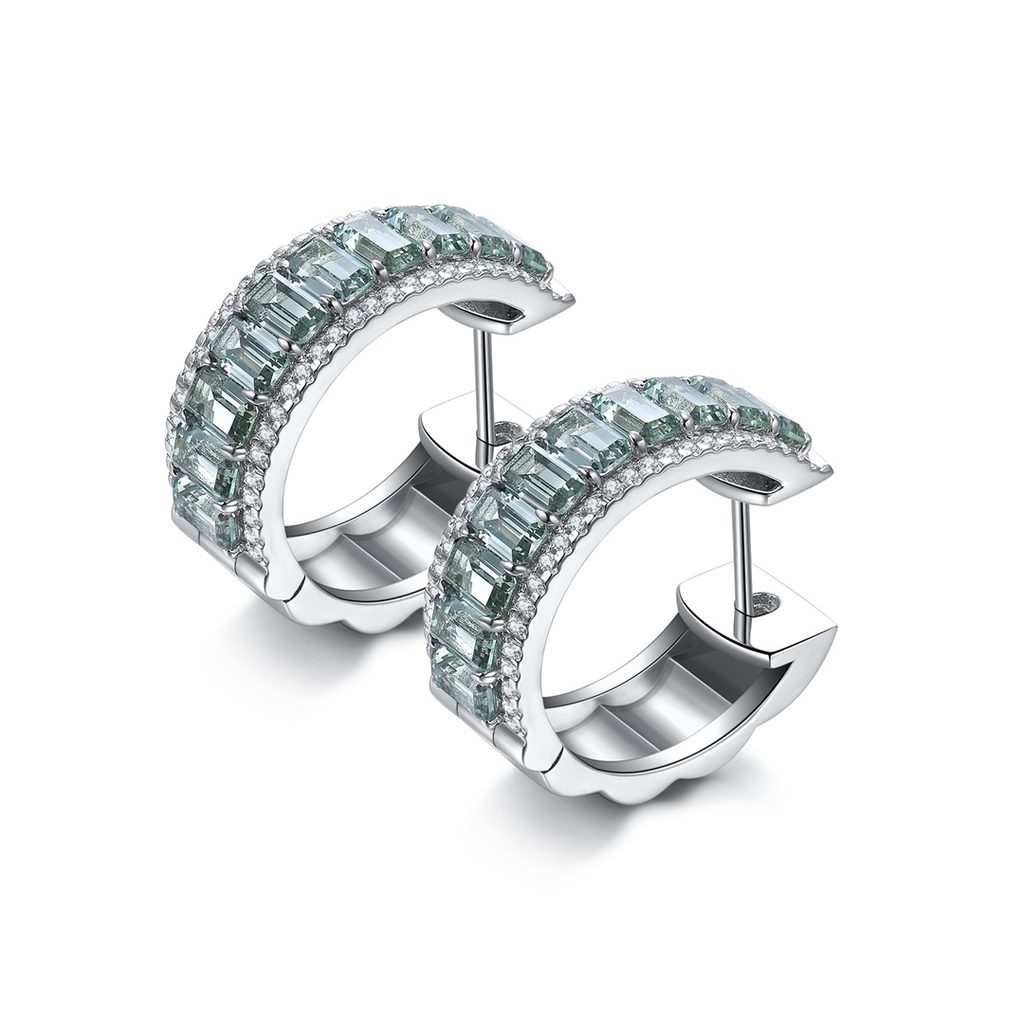
Cost And Market Benefits Of Lab Made Diamond Jewelry Wholesale
Profit margin stability and product competitiveness are the two core pillars of scalable jewelry business growth. Traditional mined diamond jewelry suffers from unstable raw material prices, high intermediate circulation costs, and ethical controversies, limiting pricing flexibility for online brands. In contrast, lab made diamond jewelry wholesale delivers unparalleled cost advantages and market adaptability for digital jewelry retailers. Lab-grown diamonds feature identical physical, optical, and chemical properties as natural diamonds, with superior clarity, color, and cut consistency at 30% to 50% lower wholesale costs. Bulk wholesale procurement further eliminates multi-level distributor markups, allowing DTC brands to obtain high-quality diamond jewelry at factory-direct prices. This cost optimization not only expands gross profit margins significantly but also supports flexible pricing strategies to capture different consumer groups. Brands can launch cost-effective entry-level styles to attract young daily wear consumers while rolling out high-end customized pieces for engagement and wedding scenarios, fully covering segmented market demands and continuously expanding sales volume.
Brand Differentiation Through Custom Lab Made Diamond Jewelry
Homogenized product design is one of the biggest obstacles restricting the sustainable growth of online jewelry businesses. Mass-produced generic jewelry products fail to form brand memory points, leading to fierce price competition and low user repurchase rates. Customized product solutions become the key for DTC jewelry brands to break through market bottlenecks and build core competitiveness. Professional manufacturing teams supportcustom lab made diamond jewelry services covering full-link personalized optimization, from diamond selection, stone cutting, and setting design to metal material adjustment, surface polishing, and personalized engraving. Brands can adjust product details according to their own market positioning and user preferences, creating exclusive design styles that distinguish them from competing products. Whether it is minimalist daily wear jewelry, vintage court-style accessories, or romantic custom commemorative pieces, targeted customized production can meet the personalized needs of niche consumer groups. Unique product design enhances brand recognition and user loyalty, forming differentiated competitive advantages that support steady sales growth in the fiercely competitive digital jewelry market.
High Conversion Potential Of Private Label Engagement Rings
Engagement and wedding jewelry represents the highest value and highest repurchase potential segment in the fine jewelry industry, with stable rigid market demand and strong consumer willingness to spend. For DTC jewelry brands focusing on long-term operation, deploying high-quality wedding jewelry lines is an essential strategy to boost average order value and overall sales scale. private label engagement rings have become the optimal choice for digital brands to quickly seize the wedding jewelry market and achieve scale expansion. Private label models allow brands to adopt mature high-quality ring styles from professional manufacturers while independently configuring brand logos, exclusive packaging, customized accessories, and brand certification documents. This model completely avoids the huge time cost and capital investment of independent mold opening, design research and development, and process debugging. With low minimum order quantities and flexible batch production, brands can test market feedback on new engagement ring styles at low risk, rapidly iterate hot-selling products, and phase out unpopular designs. Factory standardized production and strict quality inspection ensure stable product quality for each custom private label ring, effectively reducing after-sales problems and improving user satisfaction and word-of-mouth communication.
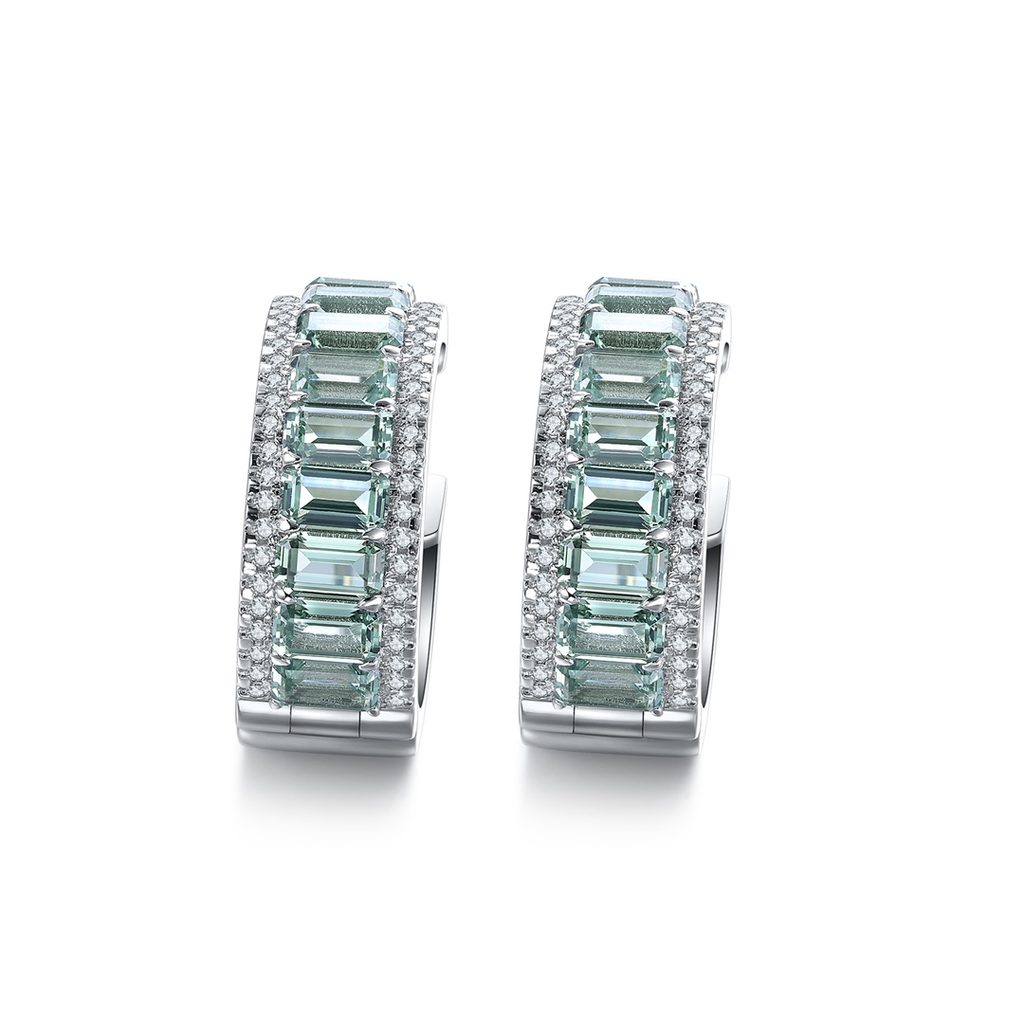
Operational Strategies For Sustainable Sales Scaling
Sales scaling for DTC jewelry brands is not a one-time volume expansion but a systematic upgrade covering product iteration, inventory management, capital turnover, and market response speed. Relying on professional manufacturing and wholesale support, digital jewelry brands can achieve lean operational management and sustainable growth. First, flexible wholesale procurement and private label customization enable brands to build a diversified product matrix covering daily wear, holiday gifts, wedding commemoration, and high-end customization, enriching user selection and improving overall conversion rates. Second, the low-inventory operation model effectively reduces capital occupation and inventory depreciation risks, allowing brands to invest more funds in social media marketing, content creation, and user operation to form a positive business growth loop. Third, stable factory supply capacity can quickly respond to traffic outbreaks from short video platforms, social live broadcasts, and holiday promotions, ensuring timely product delivery and avoiding order loss caused by insufficient production capacity. In addition, standardized diamond certification and transparent production processes enhance brand credibility, helping DTC jewelry brands accumulate high-quality user resources and realize repeated transactions and customer fission.
Future Development Trends For Scalable DTC Jewelry Operations
As global consumers’ awareness of sustainable jewelry continues to improve, the market share of lab-grown diamond jewelry will continue to rise, bringing broader growth space for digital jewelry brands. In the future, the core competition of DTC jewelry businesses will shift from single traffic acquisition to supply chain capability and product differentiation competition. Brands that combine low-cost wholesale procurement, personalized custom services, and private label brand empowerment will occupy a dominant position in the market. Professional manufacturer support will continue to be the core backing for DTC jewelry brand scaling, helping emerging brands reduce operational thresholds, shorten market growth cycles, and quickly complete brand accumulation and sales scale expansion. By adhering to product quality optimization and personalized market layout, DTC jewelry brands can maintain long-term competitive advantages in the evolving fine jewelry market and achieve continuous and stable sales growth.